Discover the Museum of Utah

Utah is home to world-class institutions like the Natural History Museum of Utah, which houses over 30,000 paleontological specimens, and the Utah Museum of Fine Arts, featuring a collection of 22,000 original works. However, the new Museum of Utah offers a unique focus: a dedicated space exploring the state's identity, history and people.
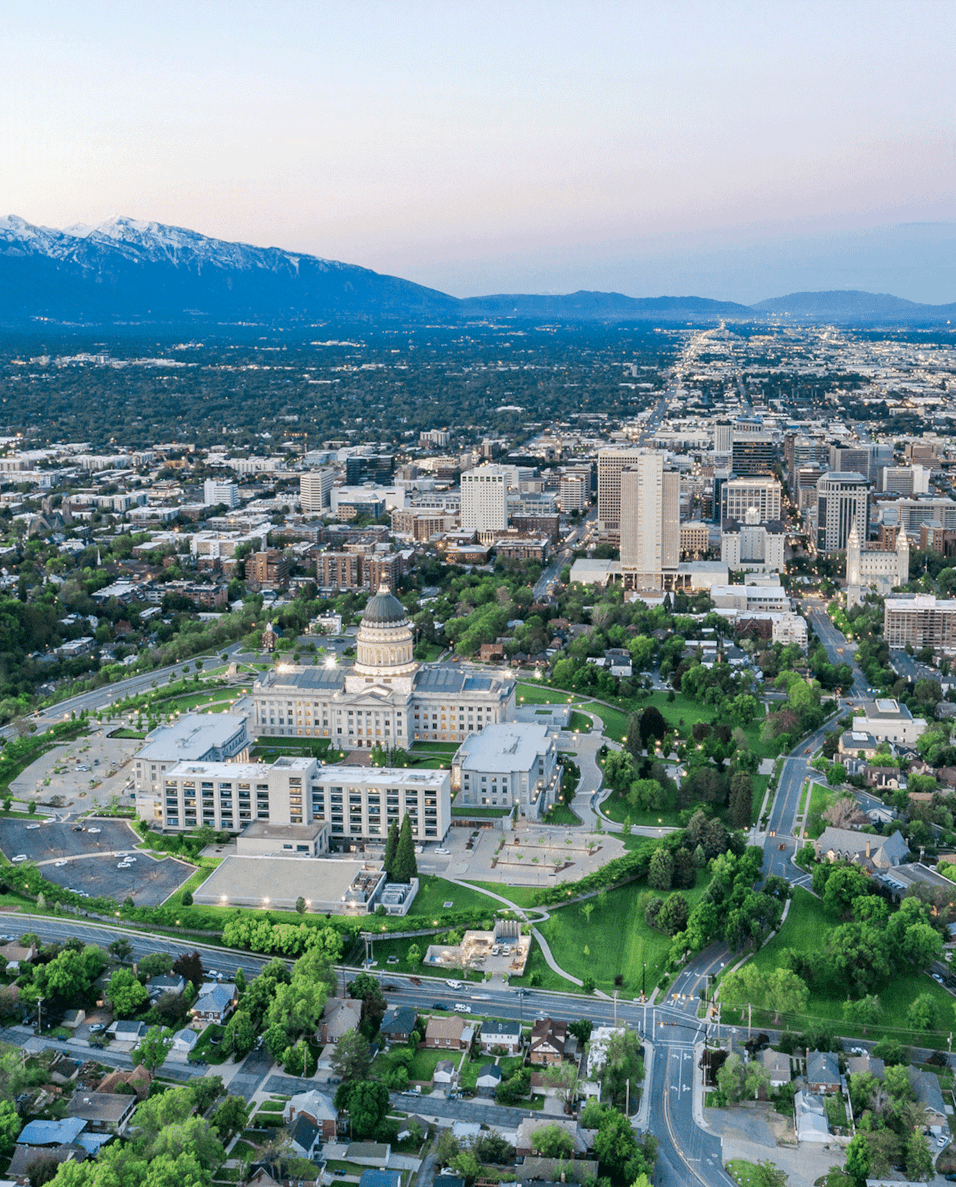
Located at the Utah State Capitol in Salt Lake City, just steps from the historic Capitol Rotunda, the museum serves as the flagship for Utah’s cultural heritage. Free and open to the public, the museum invites the whole family to engage with the artifacts and stories that define the Beehive State through world-class exhibits and community-focused spaces.
Preserving the State’s Cultural Legacy
The museum’s arrival is the culmination of the State Capitol Complex Project, an ambitious vision for the Capitol grounds that has been decades in the making. Many of the artifacts on display were previously held at the historic Rio Grande Depot in downtown Salt Lake, but they have now been returned to a public-facing space where they can properly showcase the history of the region.
With over 900 objects on display, the collection provides a tangible link to the past, ranging from the state’s first official flag to items of pop-culture significance. (Read: The Symbols of Utah)

Four Permanent Galleries to Explore
Visitors can immerse themselves in the sweeping narrative of the state across four distinct, permanent galleries:
- Becoming Utah: An exploration of the history, diverse cultures and early foundational stories of the region.
- Building Utah: A look at the industries and infrastructure of the state.
- Connecting Utah: A gallery dedicated to Utah’s community and culture.
- Inspiring Utah: A celebration of the state’s innovations and achievements.


Iconic Artifacts on Display
Among the hundreds of historic artifacts across the galleries, here are a few highlights visitors can expect to see:
The Mormon Meteor III
This iconic Duesenberg Special racing car set a staggering land speed record of 161 miles per hour that went unrivaled for 50 years. That record was set in 1940 by a man named Ab Jenkins on the very same Bonneville Salt Flats that Utahns and tourists alike still race on to this day (Read: Salt & Speed). The driver of the car, Jenkins, would shortly become mayor of Salt Lake City and serve a four-year term shortly after setting the land speed record.
Marty McFly’s Cowboy Outfit
This 1950’s style cowboy outfit was worn by Michael J. Fox in “Back to the Future III.” The movie, featuring Marty McFly and Doc Brown’s adventure through an 1800’s Hill Valley, was shot partially in the legendary Monument Valley Navajo Tribal Park on the Utah/Arizona border, adding to Utah’s rich filmmaking history.
Civilian Conservation Corps (CCC) Pennant
This pennant represents one of the 116 Civilian Conservation Corps voluntary work camps that operated in the state of Utah. These corps were responsible for building dams, reseeding ranges and working on state parks during World War II. The program is hailed as one of the great successes of the “New Deal” era, and in no small part due to the hard work and industrious spirit of Utahns.


Exploring the "Peoples of Utah"
The museum is wasting no time debuting fascinating temporary exhibits, starting with “The Past is Personal.” Running through spring 2027, the exhibit explores our nation's history as we celebrate 250 years since the signing of the Declaration of Independence. Drawing from the Utah Historical Society’s semiquincentennial project, “The Peoples of Utah Revisited,” it helps visitors connect the past to the present.
Plan Your Visit to the Utah State Capitol
Utah is a state known for looking toward the future, leading the nation in technology and energy innovation. Yet, that progress is rooted in a deep appreciation for tradition and those who came before. Whether you are a lifelong resident or a first-time visitor, the Museum of Utah offers a profound look at what makes this state unique. Stop by the North Capitol Building today to experience the stories that define the heart of the American West.
What's Nearby
-

City Creek Center
Hours, location, stores and restaurants at City Creek Center in Downtown Salt Lake City, Utah.
-
Antelope Island State Park
Antelope Island State Park is 40 miles north of Salt Lake City. Accessed by a causeway, the island sits in Great Salt Lake and features free-roaming bison and antelope herds.
-
Ogden
Ogden is an outdoor recreation mecca. It has also worked to restore its historic Art Deco architecture and buildings and blend in new development toward a charming and vibrant downtown.
-
Park City
Park City is the perfect mountain town. The winter slopes were once featured in the Olympics, and in summer the mountains and nearby state parks and reservoirs transform into a hiking, mountain biking, fishing and camping mecca.



See Where High School Musical Was Born
Walk through the halls of the real-life East High and immerse yourself in the vibrant cultural and rocky mountain landscapes where Disney’s "High School Musical" and "High School Musical: The Musical" series were filmed.
Highlights
- East High School
- Hale Center Theater
- Tuacahn Amphitheatre
- Zion National Park

#Utahisrad: The Cool Kids’ Guide to Salt Lake City
Meet the locals, see the weird stuff, try the local beer, see the bands and discover why #utahisrad.
Highlights
- Farmers Market and GREENbike Tour
- Local Brews and a Show
- Natural History
- Otherworldly Utah
Play The Hits: Exploring Salt Lake City's Iconic Sights
Utah’s capital city boasts a unique history. It is rich in frontier history for sure but its story doesn't end (or begin) there. Experience the many layers of history, prehistory and contemporary culture.
Highlights
- Temple Square
- Utah Museum of Contemporary Art
- Natural History Museum of Utah
- Red Butte Gardens
Stories to Inspire Your Travel
-
A Matter of Geological Consent
A billion years of geological history surrounds Salt Lake City, where a modern landscape reflects ancient constraints.
-
Chasing John Wesley Powell: Six Places to Explore Utah's Green and Colorado Rivers
One hundred and fifty years ago a one-armed Civil War veteran set off with nine mountain men on a scientific expedition to map one of the last blank spaces left on the U.S. map: The Green and Colorado rivers. Much of the river remains wild today. Follow Powell's journey here.
-
Kanab's Western Legends Heritage and Music Festival
Kanab's Western Legends Heritage and Music Festival is filled with round-the-clock Western-themed entertainment — think: music, cowboys and history.
-
Explore Antelope Island's Fielding Garr Ranch
Volunteers Beth and Dennis Simonsen show visitors around the historic Fielding Garr Ranch complex on Antelope Island State Park in Northern Utah.
-
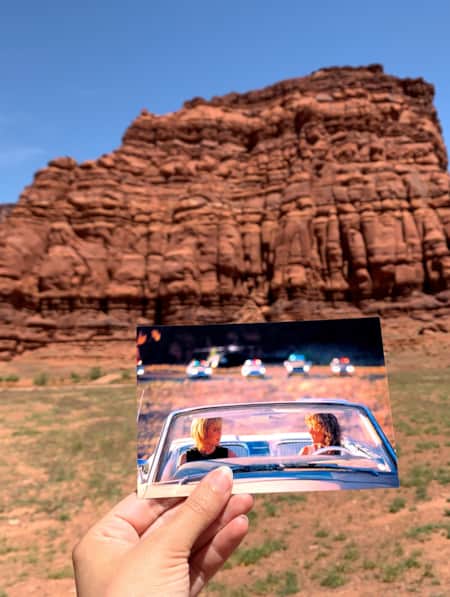
Movies Filmed in Utah: Plotting a Cinematic Drive-Through
Follow a Germany-based film enthusiast on an extended road trip to discover the rich history of Utah cinematography.
-
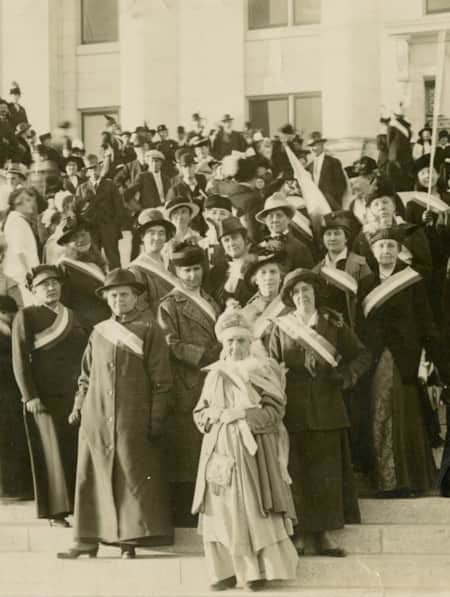
Utah’s Women Make History
Walk in the footsteps of Utah’s earliest women’s suffrage leaders at sites throughout downtown Salt Lake City. Along the way, view public art installations commemorating voting rights and stop at trail-adjacent local women-owned businesses.
-
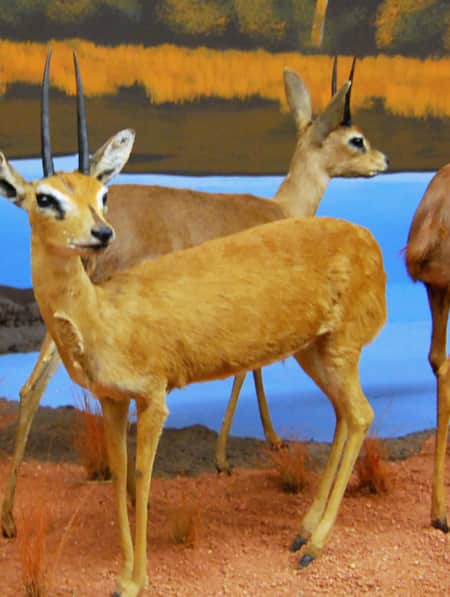
Bryce Wildlife Adventure Museum
Explore wildlife near Bryce Canyon at the Bryce Wildlife Adventure Museum.
-
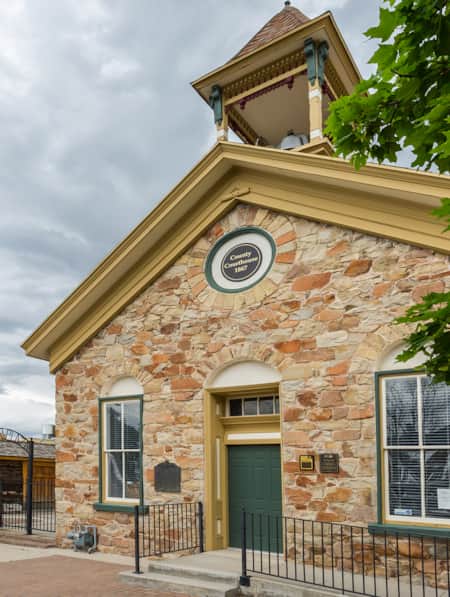
Tooele? Tuilla? The Fascinating History of this Utah Town
While the town of Tooele has a fascinating story to its name, the best part about one of Utah’s original counties is its history.
-
11 Family-Friendly Activities Near SLC
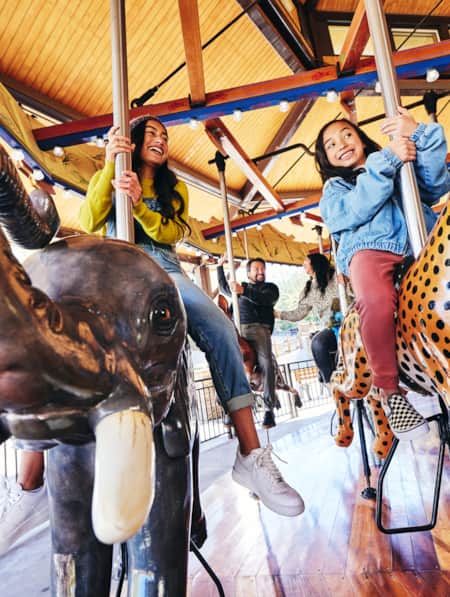
From roller coasters to ski slopes, discover 11 fun family activities in and around Salt Lake City.
-
Utah Female Artists Explore the Sublime Through Art
See how Utah women artists are creatively interpreting a dramatic landscape into art.
-
Hole N'' the Rock
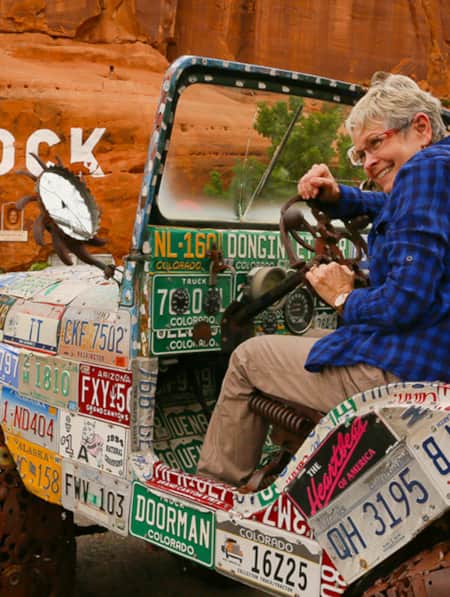
Your road trip in Moab might call for a stopover at the famous Hole N” The Rock.
-
Navajo: Fry Bread, Tacos, Pizza
Despite its troubling origins, Navajo fry bread is an inspired food of the nation’s people, and it can be found in many forms with various names around the southwest.
-
Legacy and Craft
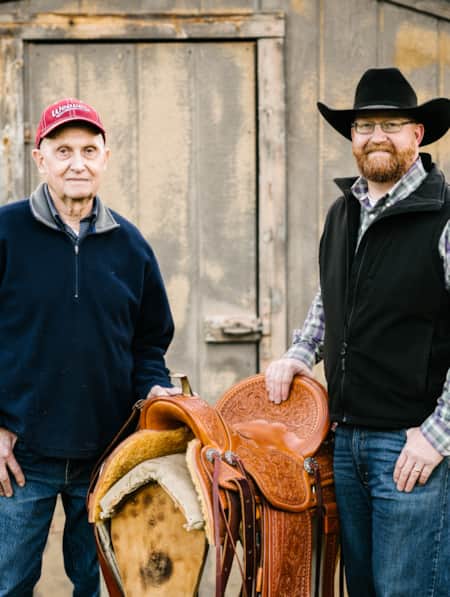
Three of Glen Thompson’s custom leather horse saddles are fitting examples of craftsmanship and a Utah folk art tradition. See more at the Chase Home Museum.
-
10 Places to Honor Women's History on Your Trip to Utah
Notable places you can visit where women have shaped history
-
Ancient Pictographs, Petroglyphs and Timeless Mysteries
Exploring Horseshoe Canyon isn’t for everyone. First of all, the effort to get there is an adventure in itself, but those efforts make the reward — namely, the chance to see up close some of the most significant pictograph panels in North America — even more noteworthy.
-
Journey Through Utah's History at This Is The Place Heritage Park
This Is The Place Heritage Park has a major place in Utah’s history — quite literally.
-
Art Deco in Motion: Ogden’s Creative Remodel
Visitors looking for Art Deco architecture and art often travel to New York, Chicago or Los Angeles. But the Intermountain West has preserved what may be Art Deco’s best-hidden gem: Ogden, Utah.
-
Utah’s Unexpected Pit Stops
Here are 11 mini-adventures to check off your list next time you’re road-tripping through Utah.
-
In Search of Robbers Roost
Robbers Roost Utah, one of the infamous hideouts of Butch Cassidy and his Wild Bunch, is not easy to find even with directions from the locals. Explore Utah.
-
High Art & Hometown Americana
There’s no shortage of fun things to do in Logan, Utah. From theatre to arts and crafts to unique dining, we have your Logan guide. Check it out!
-
Time Traveling at Ogden's George S. Eccles Dinosaur Park
Many have dreamed of exploring jungles and forests only to discover a land filled with dinosaurs of all shapes and sizes? The George S. Eccles Dinosaur Park is the place to bring that dream to life, with 100-plus exhibits and realistic, full-sized dinosaur replicas, capturing the imagination of young and old alike.
-
The Legendary Joe McQueen: Utah's Original Jazz
Legendary saxophonist Joe McQueen came to the city of Ogden , Utah, in 1945 for a two-week gig and he never left. For decades he was the musical godfather of Ogden's lively 25th Street.
-
Tracing the Outlaw Trail
Cowboys and dinosaurs don’t always come to mind in tandem. At Dinosaur National Monument in northeastern Utah, however, they do share one thing: an incredible landscape as a backdrop. This landscape, as well as some wild history, make Dinosaur a must-visit part of the state.
-
Historical Sites in Utah
Explore Utah's fascinating past with our guide to historical sites and hidden gems. Uncover pioneer and indigenous stories at these Utah heritage hot spots.
-
Why a Visit to the Blanding Dinosaur Museum is a Must
The Blanding Dinosaur Museum, off U.S. 191 in Southeastern Utah, is a hidden gem: The artifact collection here includes bones, dinosaur eggs, and even fossilized skin! The museum also has three wonderfully preserved petrified trees and unique movie memorabilia.