How to Visit Bears Ears National Monument
Make the Bears Ears Education Center your first stop.

Deep in a rocky wash, I’m tickled to find that the two-foot-high grasses that drop heavily over the trail are still lush and green from spring rains. Layered sandstone walls stretch toward an untouchable and impossibly blue sky. The prickly pear are blooming in highlighter yellow, pink and creamsicle. As I scramble up the rocky trail just before it dead-ends at the San Juan River, the view I’ve actually come to see presents itself: a wall of petroglyphs hundreds of feet long overlooking the quiet flow below. And I may never have found this mesmerizing and culturally significant spot without a tip from the volunteers at Bears Ears Education Center in Bluff.

What is the Bears Ears Education Center?
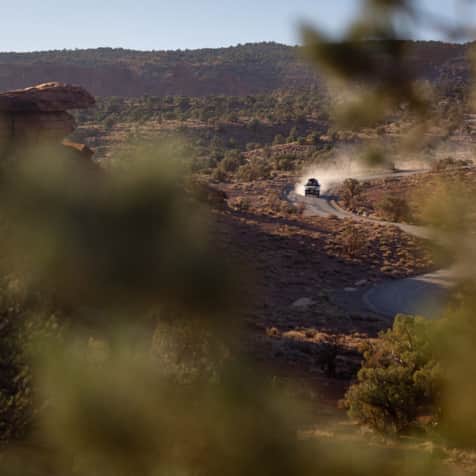
The remote and rugged landscape of Bears Ears National Monument presents a daunting adventure to visitors.
This is why the Bears Ears Partnership launched a crowdfunding campaign in 2016 to open the Bears Ears Education Center. Brands like Chaco and The North Face, plus several foundations, also sponsored the project.
Designed as a vital first stop before heading into the sensitive Bears Ears landscape, the education center offers visitors essential travel info and safety tips, alongside a deeper understanding of southeastern Utah’s archaeology and cultural context.
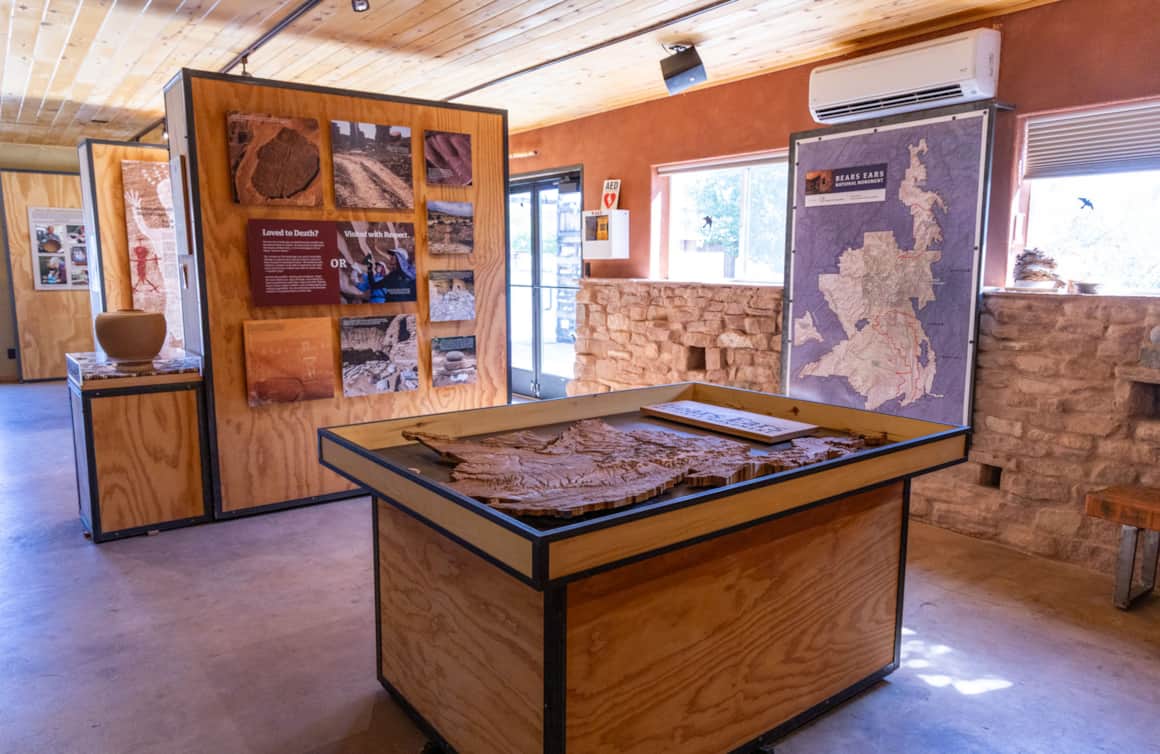
Inside the center, you’ll find educational displays about pottery, rock imagery and history.
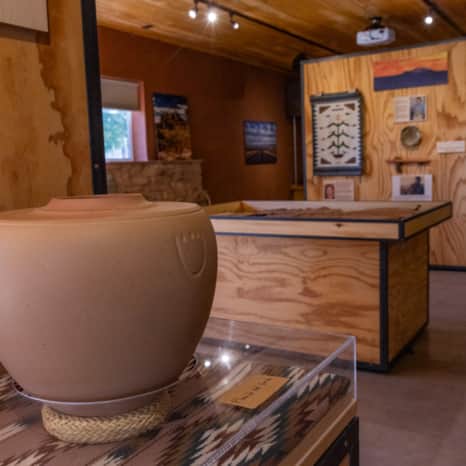
"They Did Not Vanish" displays both recreations of historical artifacts as well as original pieces created using traditional techniques from Indigenous makers.
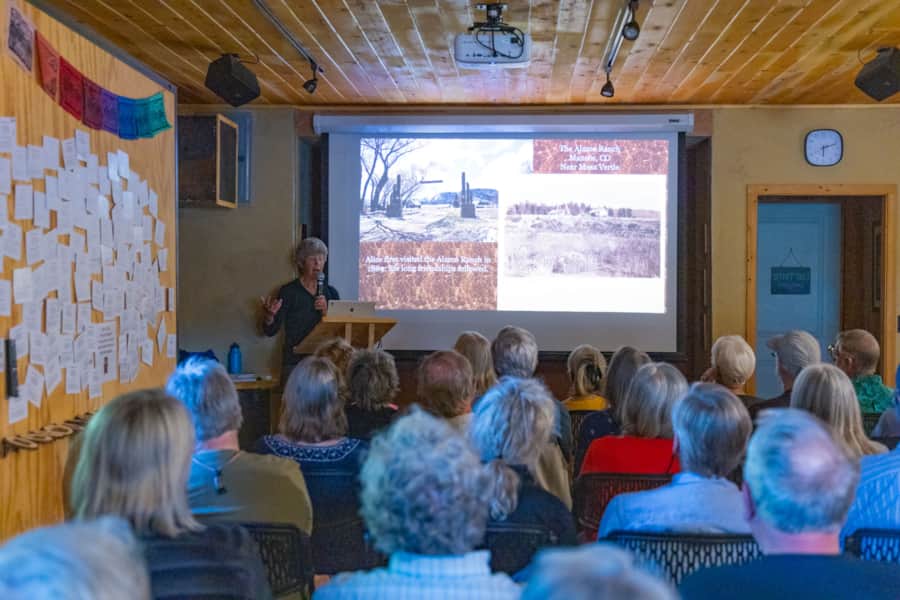
The center hosts educational programs for youth and the local community.
The "Visit with Respect" Guidelines: How to Protect Ancient Sites
But the center is more than just a visitor center — a place to stop for souvenirs, pick up a hiking map or learn a few fast facts. It also hosts educational programs, guest presenters and Indigenous art markets. Program director Semira Crank emphasizes that it’s an education center –– a place to slow down and learn about the monument and the unique landscape, and most importantly, the cultural heritage of the protected area.
It’s where responsible visitation of the monument begins. Inside, you’ll find educational displays about pottery, rock imagery and history. There are books by local authors and activity books for kids, a place to stamp your national park passport and volunteers who eagerly share stories and answer questions.
But the highlight of the center is the Visit with Respect campaign. This multi-faceted education initiative provides well-intentioned travels with easy-to-remember principles to encourage responsible exploration and curb degradation of sensitive cultural spaces.
Visit with Respect Guidelines:
- Avoid building cairns
- Camp and eat away from archeology
- Dogs and archeology don’t mix
- Don’t touch rock imagery or make your own
- Enjoy cultural sites without ropes
- Guide children through sites
- Historic artifacts aren’t trash
- Pay your fees
- Stay on designated roads
- Use a fire pan
- Use rubber-tipped poles
- View sites from a distance
- GPS reveals too much (don’t geotag photos)
- Leave cultural belongings where they are
- Leave fossils and bones undisturbed
- Pack out your poop
- Refrain from grinding ancestral slicks
- Remember that ancestral landscapes are sacred
- Stay on established trails
- Steer clear of ancestral structures
Most should be kept in mind no matter where in the monument you’re visiting. Grab a card with the whole list in the education center.
Shifting Perspectives: From Outdoor Recreation to Sacred Ancestral Lands
The Visit with Respect campaign, which kicked off in 2016, was born in Bears Ears but has since been shared in other ancestral landscapes like Mesa Verde in Colorado. The goal: to transform visitors’ understanding of the region from one based on outdoor recreation to one of a living, sacred ancestral home.
That perspective is key. “We want them to remember at the end of the day that these ancestral landscapes are sacred,” Crank states.
"This isn't a time capsule of a vanished people,” says Carolyn Harmon, BEEC’s education specialist. It’s an ancestral land of living and breathing cultures.
A Monumental Mission: Why "How You Visit" Matters More Than Where
That mission becomes even clearer once visitors start asking for hike or ancestral site recommendations. Volunteers and employees only direct travelers to a handful of locations that have been approved by the BLM. These specific spots have been developed for increased visitation with amenities like parking areas, vault toilets and informational signage.
But that includes only a smattering of sites and routes. The rest of Bears Ears is an exercise in finding your own adventure, which makes a stop at the education center even more important. "It's more about how to visit than where to visit,” explains Jeff Stewart, a volunteer from Tennessee who works with his wife Patricia in the education center for a month at a time.
“You’re going to come across a cultural site or two, and when you do, [these] guidelines not only protect you but also preserve these cultural spaces,” Crank says. There are more than 100,000 cultural sites within the monument boundaries, many of which haven’t been rehabilitated and are highly sensitive. Visitors must absolutely travel with reverence and respect whether on foot trails or dirt roads.

Essential Travel Tips for Visiting Bears Ears and Bluff, Utah
Take your time: Don’t rush through the area. There’s plenty to see in Bears Ears and surrounding communities like Bluff. Take your time to enjoy the landscape.
Take a guided tour: Sign up for an Indigenous-led hiking or river rafting tour with a company like Ancient Wayves to learn more about the land and its historical and sacred significance from the area’s original caretakers. This promotes responsible tourism in Utah and supports locally-owned businesses.
Stock up: Stock up on supplies before you arrive as amenities are sparse around the monument. In Bluff, stop by Cow Canyon Coffee for a morning cup and the new Sweetwater Market for specialty beverages and snacks.
Fill up: Don’t head into the monument with a half-empty tank. The distance between destinations is often farther and takes longer than you think.

Rafting the San Juan River with Ancient Wayves Indigenous Guides
Indigenous river guides with Ancient Wayves help visitors experience the both the cultural heritage and breathtaking landscape of the Bears Ears region.

Following the Markings of Native American History
A road trip is a great way to explore markings of ancient native history — in addition to seeing some of the most amazing scenery in the country.
What's Nearby
-

Bears Ears National Monument
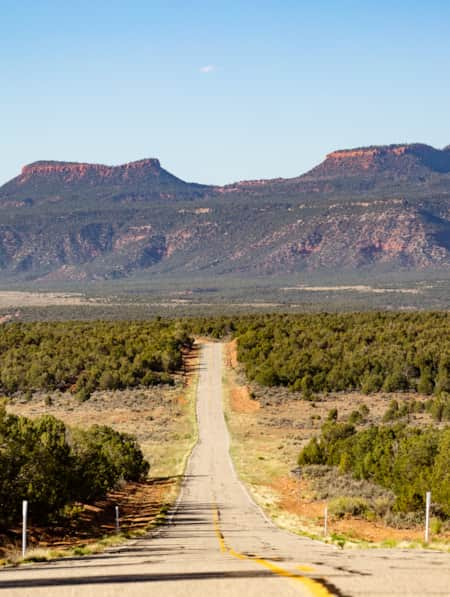
A pair of towering buttes stand against beautiful scenery. The twin buttes are so distinctive that in each of the native languages of the region their name is the same: Hoon'Naqvut, Shash Jáa, Kwiyagatu Nukavachi, Ansh An Lashokdiwe, or in English: Bears Ears.
-
Bluff
Rich in human and natural history, Bluff is a central point along the Trail of the Ancients National Scenic Byway. It is a gateway to Monument Valley, Bears Ears National Monument, Valley of the Gods and Hovenweep National Monument.
-
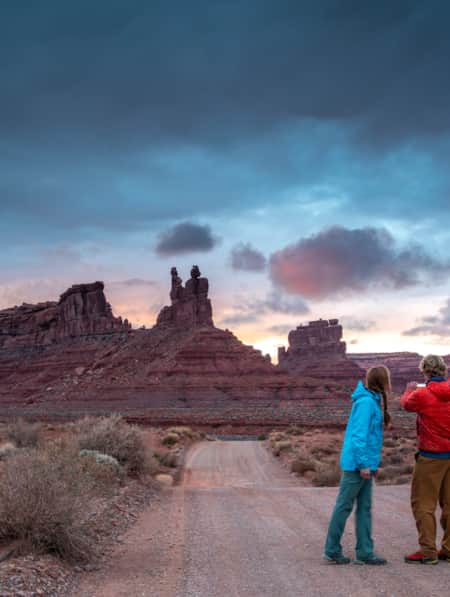
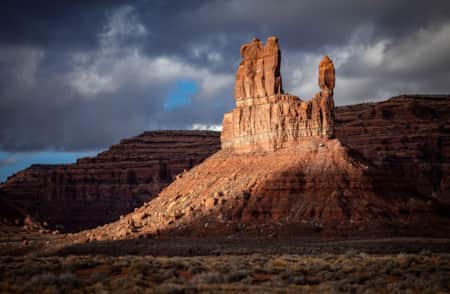
Valley of the Gods
Perhaps one of the most intriguing names of all of the destinations in San Juan County is the Valley of the Gods. This special area attracts individuals looking for idyllic sandstone structures.

Stories To Inspire Your Travel
-
Bicentennial Highway 95: A Historic Utah Road Trip
One of the state’s most remote stretches of highway is State Route 95 (SR-95), which runs for 126 miles between Hanksville and Blanding.
-
Touring Utah with the State’s Most Well Known Women Writers
The diversity and beauty found in Utah has often been captured by women. Here are the places that seven of Utah’s most well known women writers knew and loved most.
-
Rafting the San Juan River with Ancient Wayves Indigenous Guides
Indigenous river guides with Ancient Wayves help visitors experience the both the cultural heritage and breathtaking landscape of the Bears Ears region.
-
Finding Strength and Inspiration Deep in the Utah Desert
How a series of hiking and camping trips in Utah’s parks and wilderness put Elisabeth Brentano on a transformative journey from urbanite to nature lover.
-
The Voices of Bears Ears
Bears Ears National Monument is at the heart of southeastern Utah. These lands are imbued with layers of culture — layers of life. In this four-part video series, meet the locals who connect with the land in their own distinct ways.
-
Utah’s Unexpected Pit Stops
Here are 11 mini-adventures to check off your list next time you’re road-tripping through Utah.
-
The Art of Supporting Utah Artists
Here’s a look at six local artists whose work draws upon Utah’s diverse environments as inspiration.
-
The Petroglyphs of Comb Ridge
Comb Ridge in Southeastern Utah offers dramatic galleries of ancient petroglyphs engraved on sandstone cliffs by Ancestral Puebloan artists over 1,000 years ago.
-
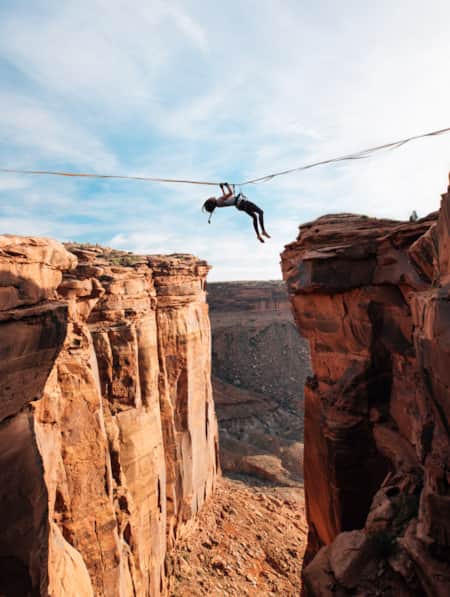
Walking The Line Between Risk and Responsibility
Why a Hawaii-based highliner and influencer hasn't returned to Utah — yet.
-
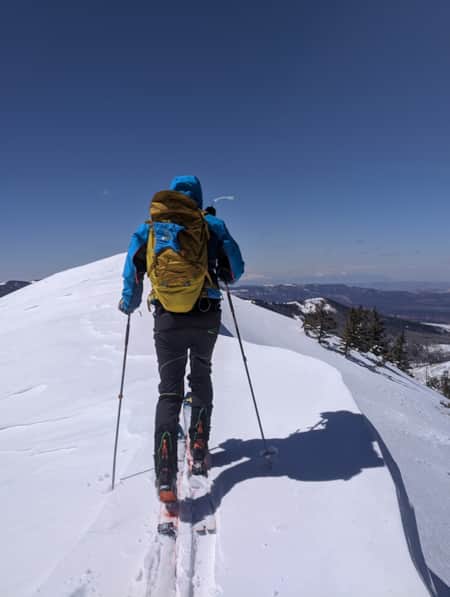
An Uncommon Confluence
A solo sojourn where snow and desert meet in a lesser-known corner of Utah’s red rock country.
-
Touring the Indian Creek Corridor Scenic Byway
Prepare to be captivated as you drive along Indian Creek Utah’s Corridor Scenic Byway. Explore the Needles District, Canyonlands NP and admire Utah’s natural beauty.
-
Winter in Southern Utah Like a Local
Southern Utah comes alive in winter with unexpected experiences for those who are well-prepared and solitude for those who want to expand their view.