Utah Trail Guide: Best Resources for Maps and Trail Navigation

There are thousands of miles of great hiking trails throughout Utah. Options range from family-friendly day hikes in The Mighty 5® to rugged, multi-day backpacking trips through 13,000-foot alpine peaks and deep desert canyons.
While the scenery is incredible, it’s easy to become disoriented or wander onto precarious terrain. Here are some tips for staying safe on the trails.
Maps, Apps and GPS
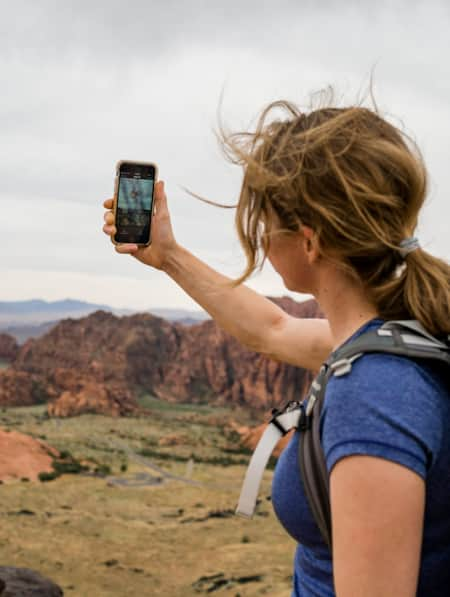
Cell service is known to fail in Utah's remote areas. It's always a good idea to carry a map and to familiarize yourself with how to read topography. Printed maps are great, and many apps come with offline functionality so that you can download your route before you hit the trail.
National Park, State Park and Public Land Maps
Hiking in Utah's national parks? The National Park Service is your best resource for all materials related to Arches, Bryce Canyon, Canyonlands, Capitol Reef and Zion. While you can always pick up maps inperson at the various visitor centers, if you want to get a jump on your planning, you can find park brochures, trail maps and audio brochures at nps.gov/utah.
There are more than 40 state parks across Utah, from the rich blue waters of Bear Lake to the hot, orange and pink sands of Coral Pink Sand Dunes. Utah State Parks offers maps and brochures at stateparks.utah.gov. Have questions on what trail might be right for you? Stop by a state park visitor center to check current conditions and speak with a park ranger.
The Utah Bureau of Land Management (BLM) manages nearly 22.8 million acres of public lands in Utah; this represents about 42 percent of the state. The BLM has an interactive web map (it's also downloadable) that will help your planning process. Stop by a BLM office for updated maps (may require purchase) or print one from their website. The U.S. Forest Service also offers downloadable maps at a variety of scales to help you get started.
Digital Apps for Mapping
AllTrails+, Gaia GPS and onX Backcountry are just a few of the mobile apps that offer offline hiking capability. Many maps found in BLM offices also offer a QR code that, when scanned, opens a georeferenced mapping application (like the Avenza app). Additional downloadable, offline maps can be found using Google and the Maps.Me app.
Other Resources for Maps
Many local guides and bookstores carry great Utah hiking books and maps. The Natural Resources Map and Bookstore (located near Salt Lake City International Airport) welcomes visitors looking to pick up paper maps. You can also place an order in their online store. As a part of the Department of Natural Resources, visitors here can also pick up hunting and fishing licenses.

"It's important to know your route. Always carry a map or a GPS system, cell service can often fail in remote areas."
Understand Trail Difficulty
Before setting out on any hike, check your app, guidebook or with a local ranger about the hike's difficulty rating and any cautionary advice. Utah's geography and topography are diverse, and trails can involve deep canyons and steep climbs. You'll also want to be mindful of the trail distance and any elevation gain. Utah’s average elevation is 6,100 feet above sea level, with Park City at 7,000 feet and Salt Lake City at 4,226 feet. If you’re coming from a low-elevation place, it can be challenging to acclimate to any change in elevation, let alone a drastic increase.
Brush Up on Your Navigational Knowledge
Christopher Hagedorn is a guide, wilderness instructor and owner of Get in the Wild Adventures. (Watch: A Guided Adventure Through Robbers Roost.) Hagedorn says he has helped guide “incredible outdoor experiences” for people from all over the world. Less experienced travelers can tap into Hagedorn’s expertise by taking advantage of one of his outdoor educational courses, a guided adventure trip, or an all-inclusive wilderness vacation.
Lack of navigational knowledge is the most common mistake people make in the backcountry, Hagedorn says. “These days, everyone wants to rely on GPS — the art of map and compass is going away and it’s still a critical skill,” he says, adding: “A navigational error can get you into big trouble.”
Hagedorn says the root of learning how to navigate safely in the wilderness is about understanding topographical maps. “GPS devices — we all use them,” he says. “There are a lot of different analogs and apps, but at the end of the day, we’re using a screen that’s relatively small versus a big map that you can print out."
He suggests downloading phone apps before you get in the wild and don’t have service, but bringing a map in addition. “To this day, I carry both, my map and compass and a GPS,” he says. (Read: How to Navigate Utah’s Backcountry Safely)
"To this day, I carry both my map and compass, and a GPS."
– Chris Hagedorn, Guide, Wilderness Instructor, Owner of Get in the Wild Adventures

Consider Going with a Guide
Want to deeply experience Utah's outdoors without the stress of planning and navigating? Local guides and outfitters are your key to an unforgettable, hassle-free adventure. (Read: Perks of Going with a Guide)
- Insider Knowledge: These passionate experts know the land intimately. They’ll share fascinating local perspectives and geological wonders while ensuring your trip honors the Utah Forever ethic.
- Exclusive Access: Beyond keeping your family safe, guides can unlock hidden gems, taking you to awe-inspiring spots that are only accessible with special permits and the right gear.
- Endless Options: Choose from quick half-day excursions to immersive multi-day journeys. You can dive into magical stargazing, ancient petroglyph tours, river rafting, technical canyoneering, mountain biking or hiking clinics.
Always Adventure Safe Checklist
Remember these six tips to help ensure that you Always Adventure Safe in Utah’s outdoors:
- Bring Enough Water: Every season in Utah’s dry climate requires bringing adequate water. The daily temperature and intensity of adventure dictate how much. Make sure to calculate and plan for your needs.
- Check Conditions: Check forecasts, flash flood, fire danger and avalanche warnings before heading out. Pack for unexpected weather. Research road, trail and water conditions. Start early to avoid midday heat or being out after dark.
- Stay on the Trail: It’s easy to become disoriented or wander onto precarious terrain. Stay on the trails and respect all safety barriers. Always carry a map or a GPS system, cell service often fails in remote areas.
- Know Your Limits: Altitude changes and extreme temperatures can impact your abilities. Check trail difficulty, take breaks and turn around if needed. Go with a guide if you're using new equipment or exploring unfamiliar activities or terrain.
- Dress Appropriately: Clothing needs change depending on season and activity. Always consider sun protection, bring extra layers and dress for safety with proper footwear and protective gear like helmets, life jackets, eye protection and gloves.
- Tell a Friend: Before heading out, let someone know your plans: where you’re going, who you’re going with, and when you’ll be back. Turn on location sharing, but be prepared for limited cell service.

More Stories to Inspire Your Travel
-

How to Bikepack: Pro Tips for Planning a Multi-day Backcountry Ride
Want to learn how to bikepack? Check out these tips and bikepacking gear list from veteran rider Kurt Gensheimer and plan your own Utah bikepacking trip!
-
Backpacking in Canyonlands National Park
Canyonlands National Park offers a spectrum of backpacking opportunities — from short trips at designated backcountry campsites to longer, adventurous trips that require extensive planning and desert canyon navigational knowledge.
-
Hiking Southern Utah with Younger Children: Tips for Family Friendly Adventure
Find safety tips, side activities and kid-friendly hikes in Utah with our special guide to hiking Southern Utah with children. Read now!
-
How to Stay Safe and Stoked as a Solo Woman Traveler
Tips to help keep solo women travelers safe on road trips and outdoor adventures in Utah and beyond. From a gear checklist to suggestions about where to camp and how to handle stressful situations, writer and photographer Elisabeth Brentano shares her experiences.
-
A Winter’s Desert: Visiting Southern Utah in the Slow Months
Experiencing the peace of canyon country in the winter is an attraction of its own.
-
5 Reasons to Hire a Guide to Run Utah’s Rivers
While we eat and splash in the river to escape the early morning heat, the four guides will wash the dishes, break down camp, load our bags on the rafts and discretely stow the toilet.
-
How to Canyoneer Safely
Whether you’re a newbie or a seasoned canyoneer, here are six expert tips for your next canyoneering adventure.
-
Powder Pups to the Rescue
Four furry friends help the Solitude Ski Patrol do their duties.
-
Winter in the Bryce Canyon Area: Hiking, Cross-Country Skiing and Snowmobiling
Learn more about why Bryce Canyon and the surrounding areas are the perfect place for winter hiking, cross-country skiing and snowmobiling.
-
The Complete Winter Camping Packing List for Staying Warm in Southern Utah
For most travelers, Southern Utah winters prevent comfortable camping, and occasional snowfall can make outdoor adventure a little more challenging. With a little extra planning, good layers, and the right equipment, however, you can enjoy Utah's national parks in the solitude of winter.
-
Hiking the Desert in Capitol Reef National Park
-
A Van Lifer’s Guide to Responsible Travel in Southern Utah
When Utah’s dirt roads are calling you, it’s time to plan your van life road trip. Here’s what you need to know to travel safely, support Utah’s rural communities, and help preserve the delicate desert landscapes.
-
Use These Apps to Enhance Your Utah Travel
Apps can help you identify wildlife, learn about the night sky, plan your trip, and more. Use these apps to help take your Utah trip to the next level.
-
How to Visit Utah's National Parks
Use these tips to make the most of your trip to Utah’s national parks and monuments.
-
How to Backcountry Camp Responsibly
Four tips on how to camp more thoughtfully and responsibly in Utah's backcountry.
-
How to Camp on Utah’s BLM Lands
Read these insights and tips gathered from a novice’s first-ever camping trip on BLM and public lands to gain the confidence you need to recreate happily and respectfully on Utah’s public lands.
-
Walking The Line Between Risk and Responsibility
Why a Hawaii-based highliner and influencer hasn't returned to Utah — yet.
-
A Photographer’s Guide to Mindful Travel
Utah's deserts are a photographer's dream, yet very fragile. Find out how photographers can take a few simple steps to care for this unique environment.
-
How to Visit Utah’s Most-Visited Forest
The Wasatch Front mountain range offers endless amounts of recreational activity. Learning how to visit responsibly will enhance your overall experience.
-
What to Wear on a River Rafting Trip
There are a variety of Utah river trips to be had, from rafting the Green River’s whitewater, to leisurely floating the Colorado. Here's your packing list.
-
5 Expert Tips to Prepare for Your Utah National Parks Adventure
If you’re planning to visit Utah national parks for a hike, learn important tips to maximize your experience and keep you and your family safe.
-
You're Inspired to Go Off the Beaten Path. Now What?
Here’s how to navigate Utah's backcountry safely.
-
Planning Ahead for Your Utah Adventure: Outdoors Tips for Three-Season Fun
Before you plan your Utah outdoor adventures, check out our guide to proper preparation. You’ll enjoy your action-packed travels even more. Read now!
-
How to Slow Travel in Utah
Avoid the mad scramble and consider slow travel as a better approach to your Utah trip.
-
Be Prepared for the Southern Utah Backcountry
Prepare for a trip out into Utah's rugged red rock backcountry by learning as much as possible about the area before heading out. Stop by a ranger station to educate yourself and pick up necessary permits. Always practice good backcountry ethics and proper safety techniques for a safe and enjoyable adventure.