Freshly fallen snow reflects the moonlight in Arches National Park, creating a dramatic contrast with the landscape’s red sandstone fins.


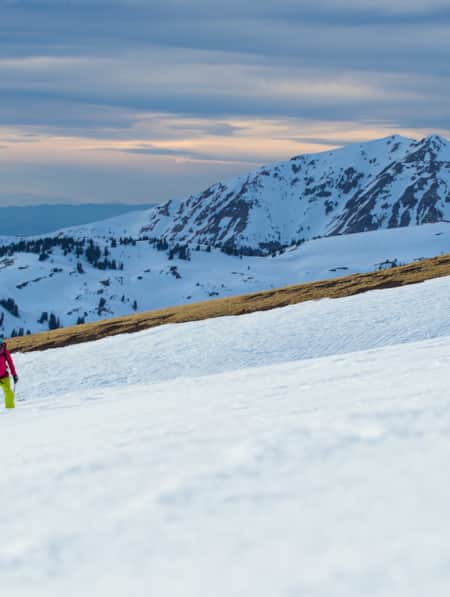
Winters in Bryce Canyon National Park are typically cold and snowy, but all that powder makes for great snow sport conditions.


Canyonlands National Park’s trails are quieter in the winter, offering moody canyon views and snow-covered trails to only the most intrepid of visitors.

Overlooking the canyons of Canyonlands National Park.

Wide open skies and snow-covered vistas greet visitors who choose to explore Canyonlands National Park in the quiet off-season.

Some of Canyonlands’ most iconic views — like this one of Mesa Arch — get a makeover in the winter, offering a different take on a classic vista.
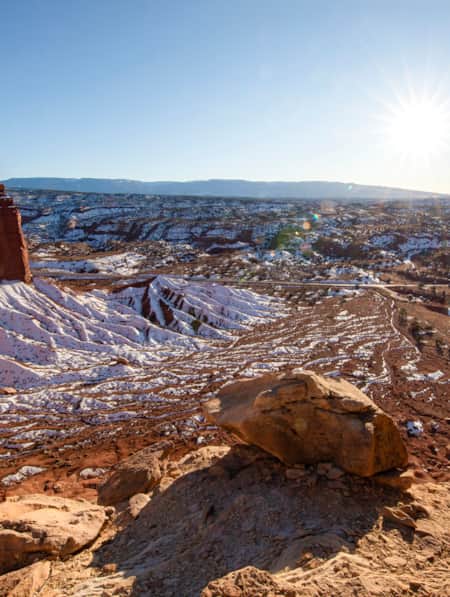
For those seeking solitude in an already quieter park, Capitol Reef National Park in winter is the place to go.


Those in search of solitude can find it in Capitol Reef’s Cathedral Valley, where the bracing winter air is a welcome contrast to the sun’s warmth. You’ll likely find yourself alone on the trail while visiting Glass Mountain, the Gypsum Sinkhole, and other geologic features in the area.

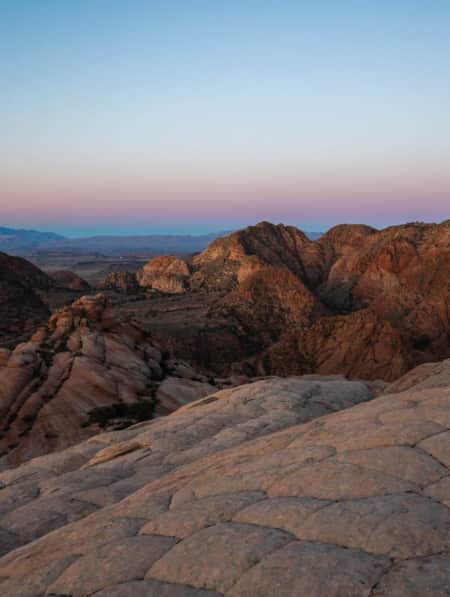
Situated in the high desert, Capitol Reef receives less than 8 inches of precipitation annually, making snowy landscapes like this one a rare treat for intrepid visitors.
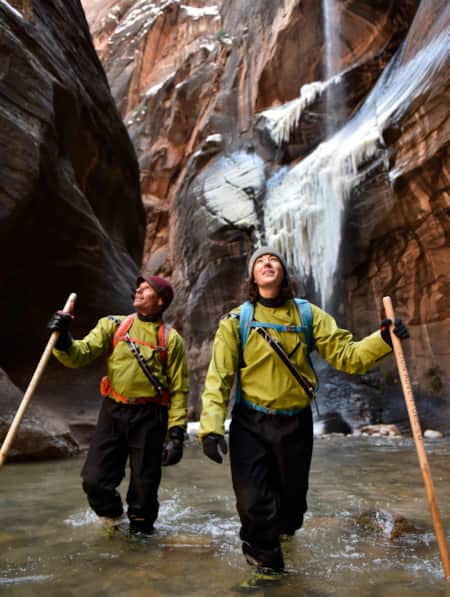
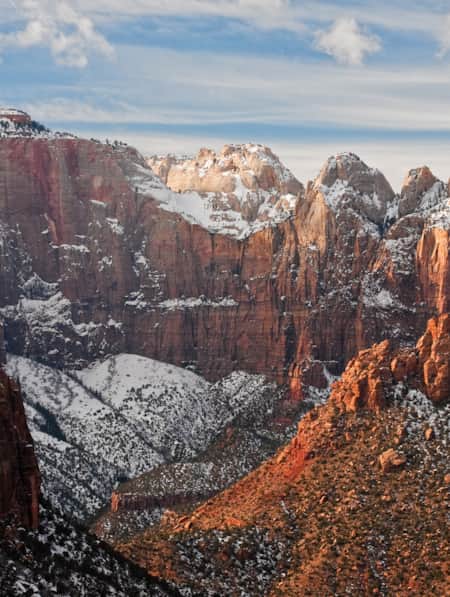
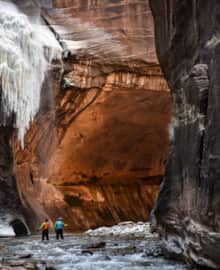
Zion National Park offers fantastic hiking opportunities year-round. With support from local outfitters in Springdale, a hike through The Narrows is possible even during winter for more adventurous explorers.


Winter Hiking in Southern Utah FAQs
What do I need to know when planning a Utah winter road trip?
Winter weather can occur anywhere in the state, even in the Southern Utah deserts. You may encounter snow, ice, sleet, or rain. Be prepared by keeping an eye on road conditions and closures. You may also want to consider driving a car with 4WD or snow tires for better traction.
What services are available for travelers in the off-season?
Travelers visiting in the off-season should be prepared for limited services. Hotels, restaurants, and other amenities may have reduced hours or be closed for the season.
What should I wear when hiking in Utah’s national parks in the winter?
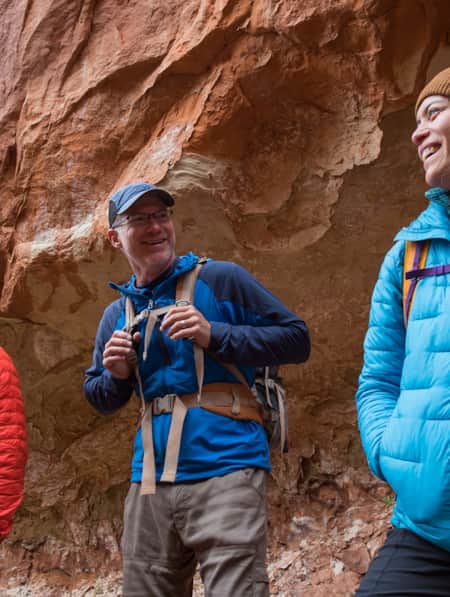
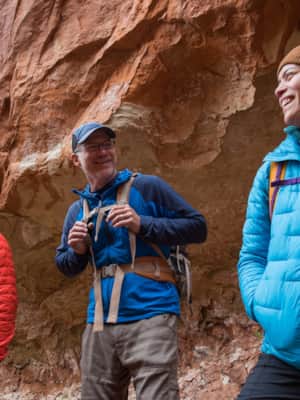
Hikers should wear or carry several warm layers, as temperatures can fluctuate throughout the day. Temps can also drop below freezing quickly after sunset, which can be as early as 5 p.m. in the winter months.
Do I need any special gear for hiking in Utah’s Mighty 5 in the off-season?
In addition to warm footwear with sturdy tread, a pair of microspikes are essential when hiking icy trails. Some areas hold snow and ice longer due to lack of sunlight, and even popular trails like Delicate Arch and Angel’s Landing can be hazardous without traction devices. Other gear like hiking poles, snowshoes, or gaiters can be useful when hiking in deep snow.
How do I know what the trail conditions will be like?
The national parks often share conditions alerts on their websites or social media pages, especially for popular trails. You can also ask at the park’s visitor center when you arrive for the most up-to-date information. It’s also useful to keep an eye on the weather forecast several days prior to your trip so you know what to expect.
The Complete Winter Camping Packing List for Staying Warm in Southern Utah
For most travelers, Southern Utah winters prevent comfortable camping, and occasional snowfall can make outdoor adventure a little more challenging. With a little extra planning, good layers, and the right equipment, however, you can enjoy Utah's national parks in the solitude of winter.
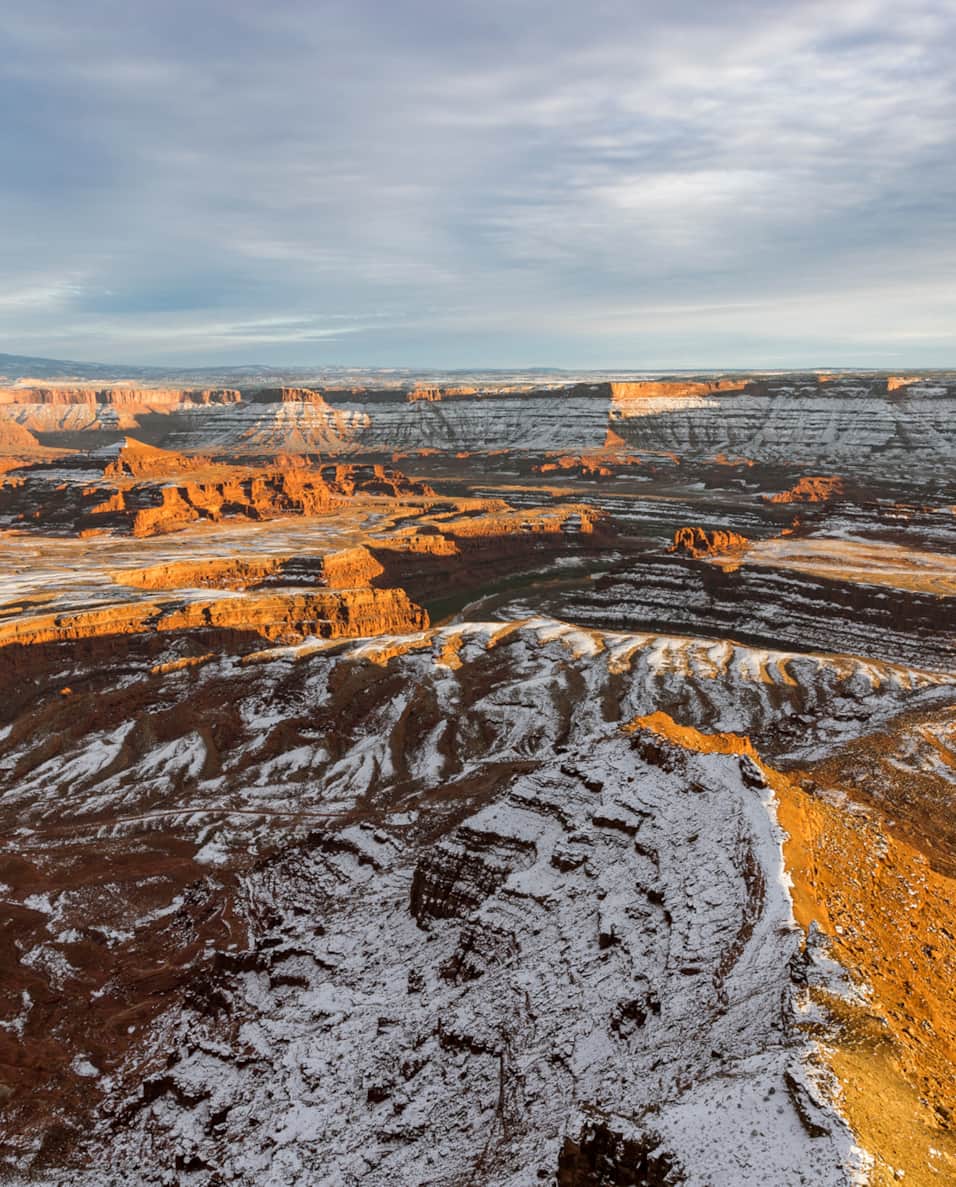
Winter Aglow in Southeastern Utah
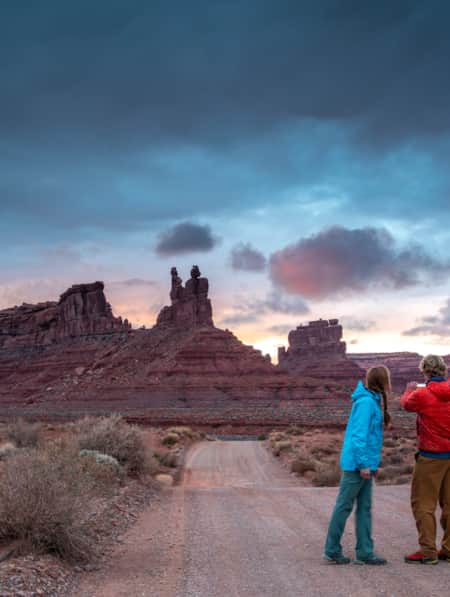
Find your sense of adventure and awe in the vast yet intricate swaths of desert from Arches National Park to Monument Valley. From delicate river-fed ecosystems to crimson-hued rock buttresses, this magical landscape is awash in history, dating back thousands of years to the original Native American settlers to whom these places were sacred.
Highlights
- Arches National Park
- Canyonlands National Park
- Castle Valley
- Bears Ears National Monument
- Goosenecks State Park
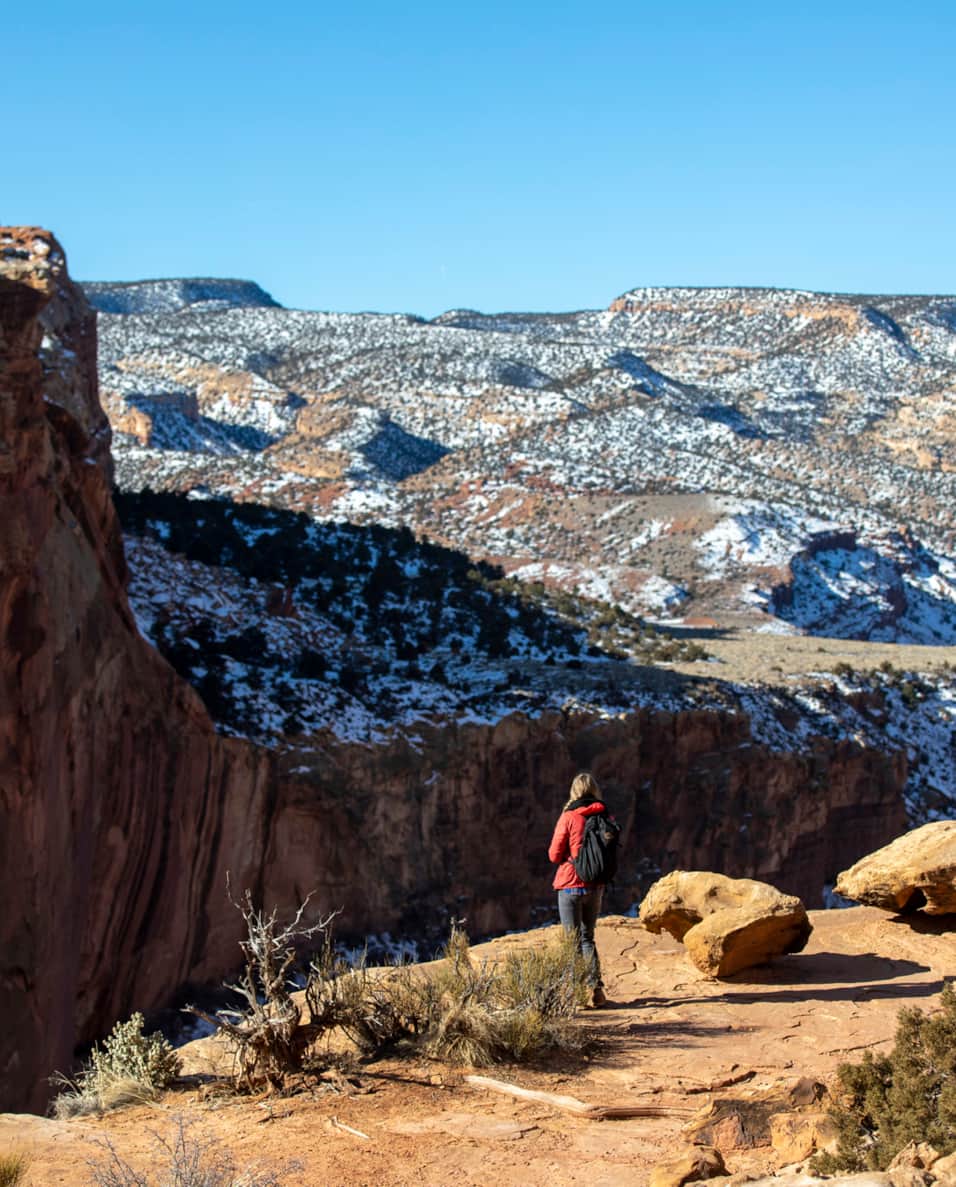
A Winter Trip Through the Heart of Utah’s Desert
Experience a world unlike anything you’ve ever imagined in the high desert mountains and plummeting canyons of south-central Utah. You’ll step into two national parks, three state parks, and all the scenic winding roads your heart could desire.
Highlights
- Bryce Canyon National Park
- Explore Goblin's Lair
- Wander Capitol Reef's Historic Fruita
- Journey through South-Central Utah
- Winter Hiking
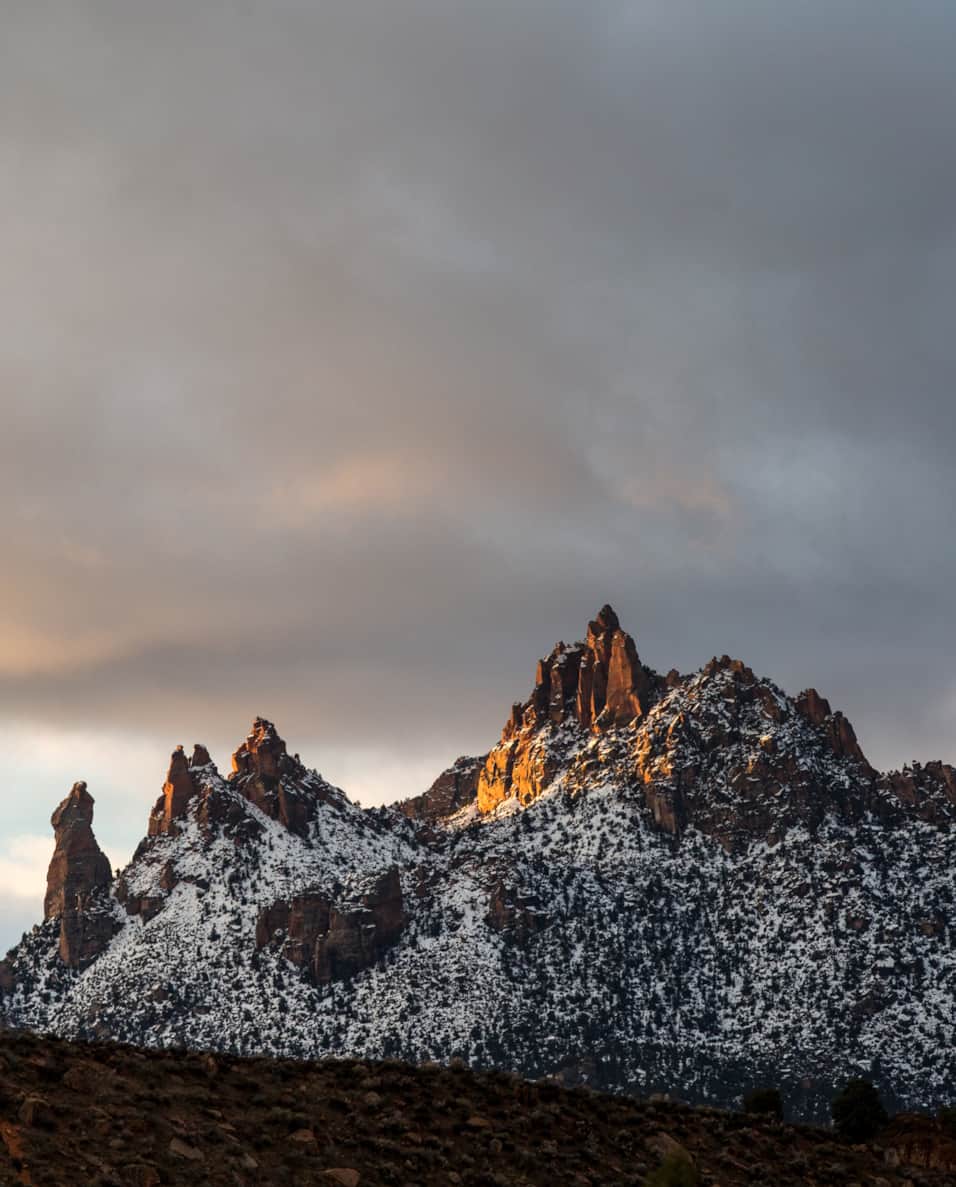
Larger Than Life: Winter in Southwestern Utah
This desert is dramatic. In a really good way. Experience the towering heights of Zion, the depths of Buckskin Gulch, the dunes of Snow Canyon, the sunset over Gooseberry. Southern Utah’s wilds are wearing their winter splendor.
Highlights
- Zion National Park
- Coral Pink Sand Dunes State Park
- Best Friends Animal Sanctuary
- Mountain Biking on a Red Rock Mesa
- Hike Zion's Most Iconic Trails
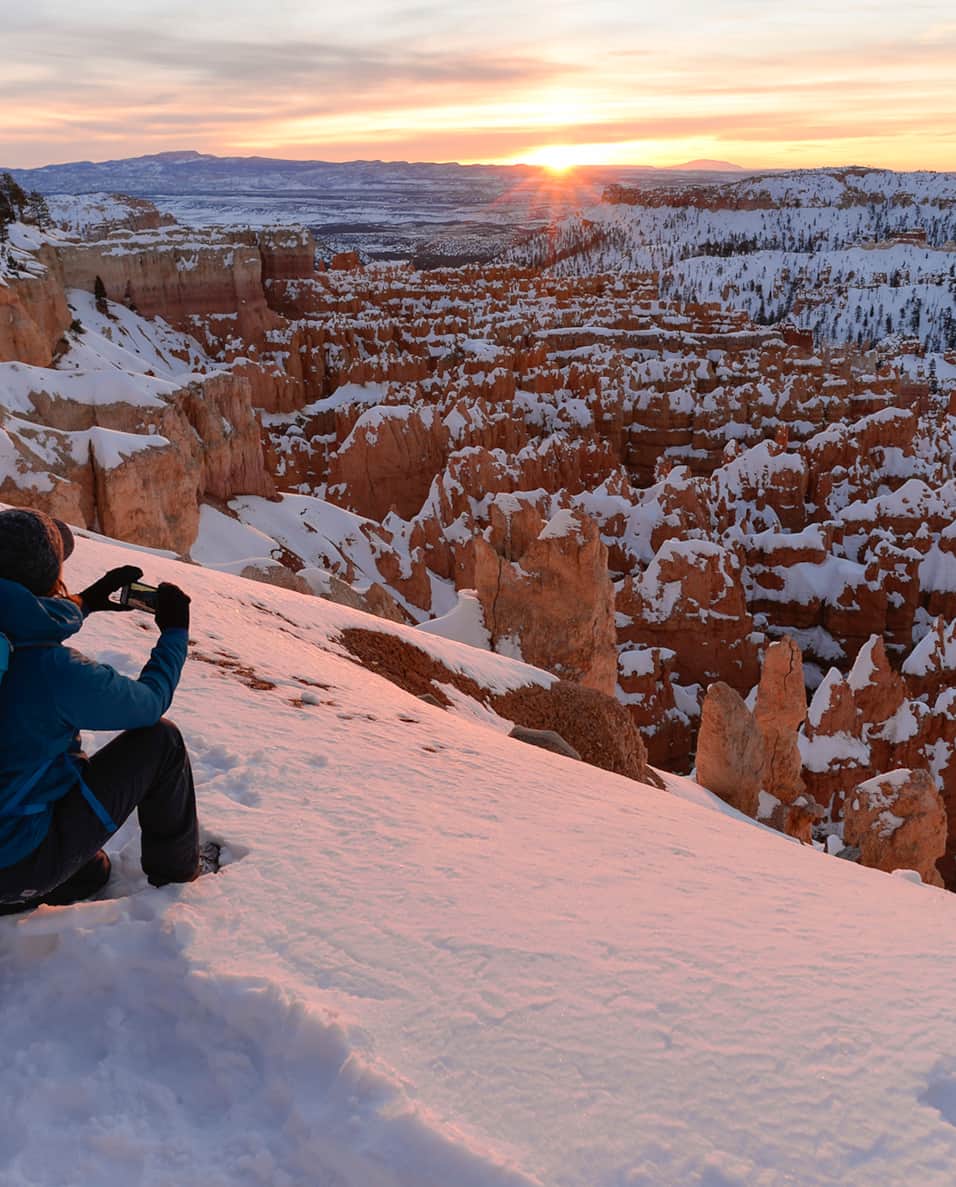
Winter's Summits and Rockscapes
There’s no better way to experience a bit of everything Utah offers. Ski its heavenly powder snow, then point your car southward to wind your way through the exquisite Bryce Canyon National Park, Zion National Park and a series of crimson-hued state park gems along the way.
Highlights
- Stargaze at Bryce Canyon National Park
- Ski Sundance Resort
- Hike in Zion National Park
- Coral Pink Sand Dunes State Park
- Kodachrome Basin State Park

Stories To Inspire Your Travel
-

Ice and rock, snow and splendor: Winter in Southern Utah
Come along on a five-day expedition to see Southern Utah’s wintry face, explore national parks, ski its mountains and find ways to play in the snow.
-
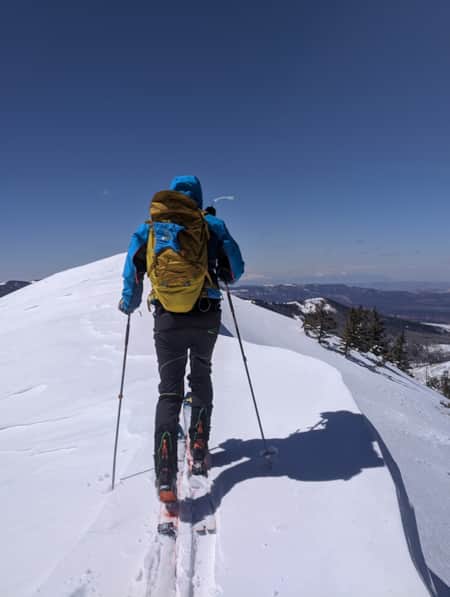
Explore the Tushars on Snowshoe
Ready to experience snowshoeing in Utah? Eagle Point is a Utah favorite location. Check out this snowshoe excursion then plan yours today for fun and adventure.
-
Best Hikes in St. George During Winter
While Utah's Greater Zion offers a few hundred trails, we’ve highlighted seven of the best hikes in the state's southwestern corner, from deep canyons to high peaks.
-
Find a Winter Refresh in a Utah State Park
The best Utah state parks will entice you with ice fishing, white sand and snow-dusted scenery. Take a winter break to refresh with a visit to a few of these places.
-
A Winter’s Desert: Visiting Southern Utah in the Slow Months
Experiencing the peace of canyon country in the winter is an attraction of its own.
-
Winter Wonders in Greater Zion
As you’re mapping out your winter trip through southeastern Utah, consider adding the following parks and natural wonders to your itinerary.
-
The Complete Winter Camping Packing List for Staying Warm in Southern Utah
For most travelers, Southern Utah winters prevent comfortable camping, and occasional snowfall can make outdoor adventure a little more challenging. With a little extra planning, good layers, and the right equipment, however, you can enjoy Utah's national parks in the solitude of winter.
-
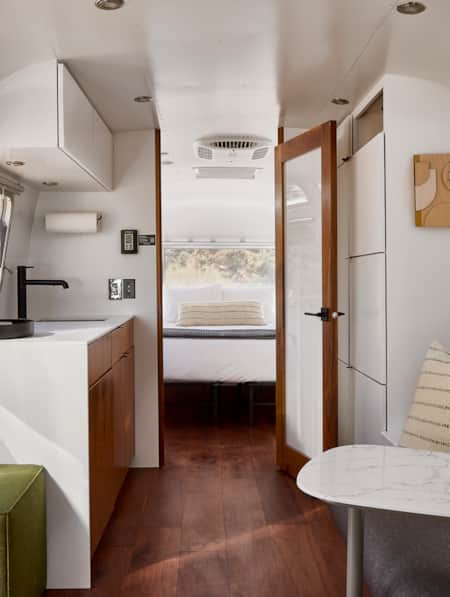
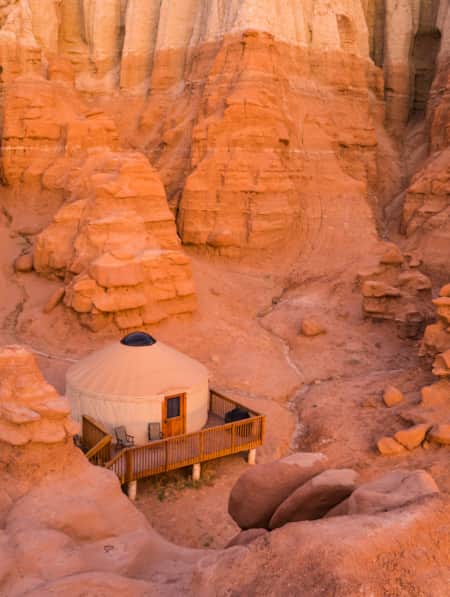
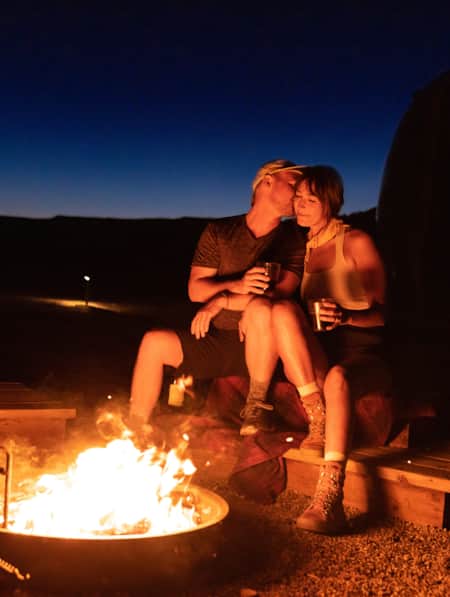
Take Advantage of Southern Utah’s Off-Season with Winter Glamping
Even with lower temperatures, an outdoor adventure doesn't need to include "roughin' it."
-
Yurt Camping in Utah: How To Have a Wintertime Yurt Excursion
Whether you’re glamping or choosing a simpler option, yurt camping in Utah during the wintertime is a fun, unique experience you won’t want to miss out on.
-
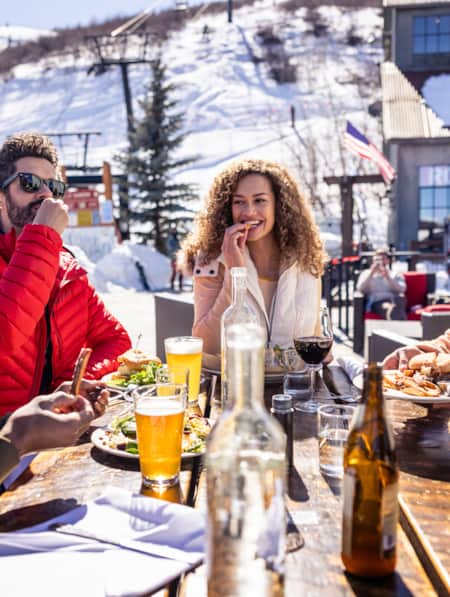
Top Ski Towns in Utah
The best ski towns in Utah tout easy access to The Greatest Snow on Earth®, along with lively culture, fine dining and off-mountain activities.
-
Winter in Southern Utah Like a Local
Southern Utah comes alive in winter with unexpected experiences for those who are well-prepared and solitude for those who want to expand their view.
-
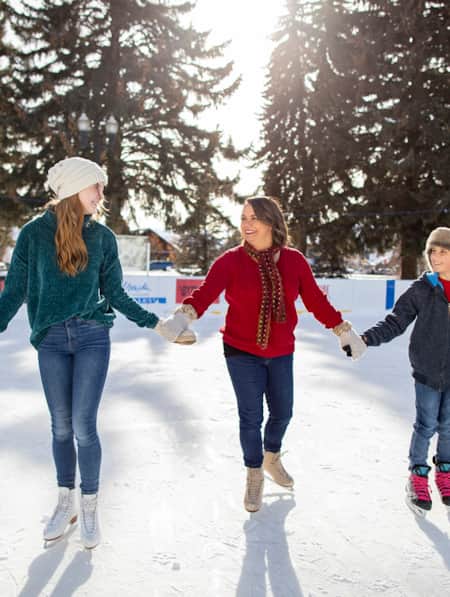
5 Festive Activities to Brighten Your Utah Ski Holiday
Planning a holiday ski escape to Utah? Here's five festive activities to brighten your travels and raise the bar on holiday spirit.
-
Romantic Getaways in Utah
Find romantic retreats, staycations and date night ideas — from cozy ski lodge stays and luxury desert resorts to downtown dates and small-town strolls.
-
An Uncommon Confluence
A solo sojourn where snow and desert meet in a lesser-known corner of Utah’s red rock country.
-
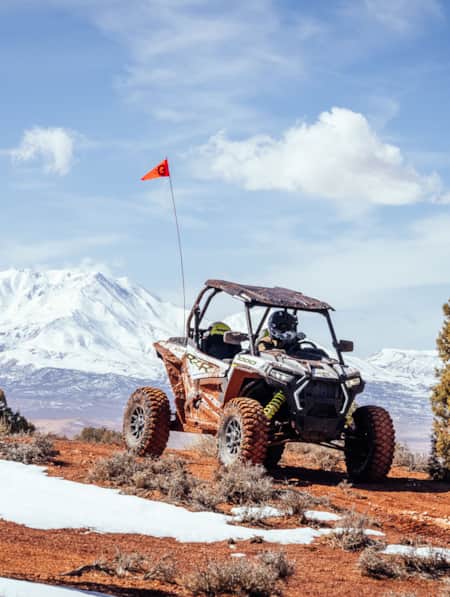
Off-Season Off-Roading in Ticaboo
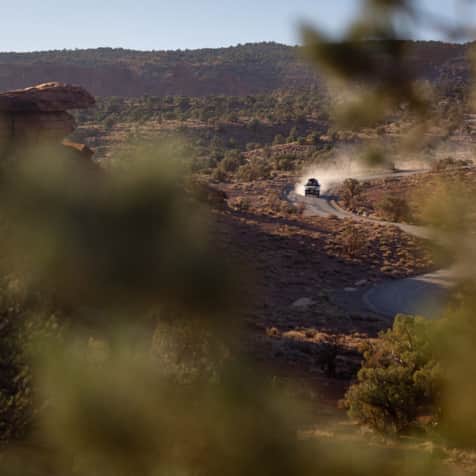
Familiar freedoms in a new kind of winter wonderland.
-
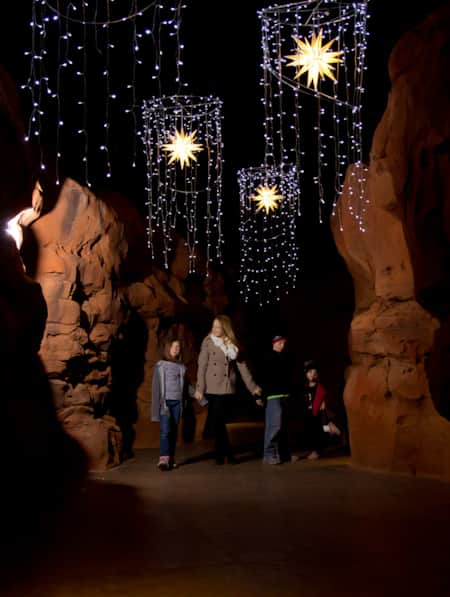
Planning Your Utah Desert Holiday
Where to find holiday lights, performances, farms and activities in Southern Utah.
-
The Best Golf in Southern Utah
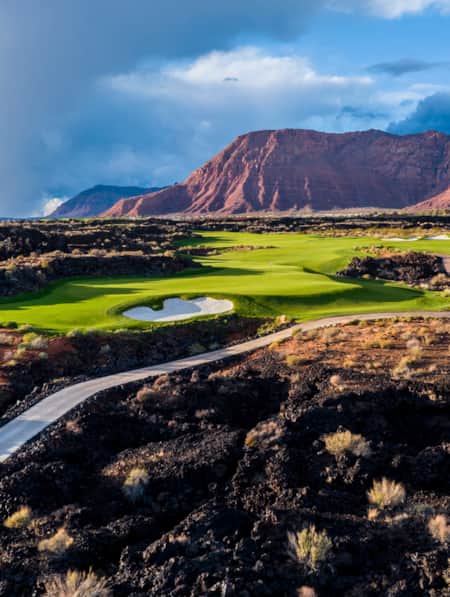
When the courses of Northern Utah are covered with snow, Southern Utah is ripe with elevated golf experiences that rival the best in the world.
-
Brian Head to Zion: Your Best Spring Break Ever
Just a few hours south of Salt Lake City, your family can experience two seasons in one trip. From skiing at Brian Head to biking in the desert, this giant playground offers canyoneering, glamping and hiking, all in one unforgettable adventure.