Winter Weather in Bryce Canyon
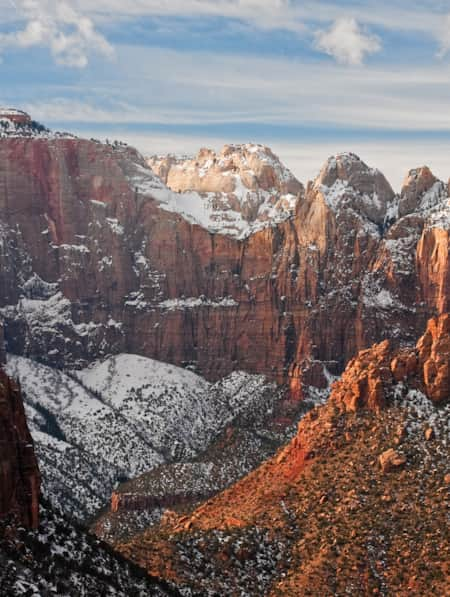
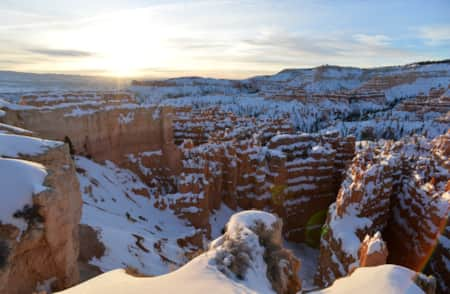
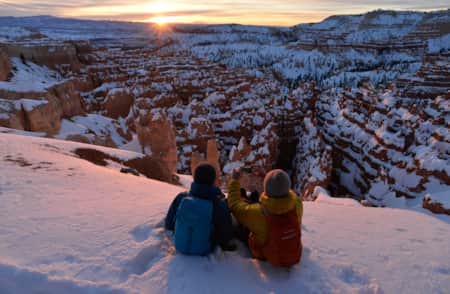
Prepare for cold and snow. Check current conditions and the forecast before you go. Normally, winter daytime highs are slightly above freezing, but be prepared for cold snaps. Bryce Canyon’s winter temperatures have plunged as low as minus 26 degrees Fahrenheit, and subzero temperatures can occur during any winter month. Plan for a snowy visit. The park typically receives just under 100 inches of snow a year. Expect freezing temperatures most nights from October through May, with possible snow. December through February typically has the coldest temperatures and most snow, though March and April snowstorms can also be significant.
Average Daily High and Low Temperatures
Oct. | Nov. | Dec. | Jan. | Feb. |
58/32 F | 45/23 F 7/-5 C | 36/15 F 2/-9 C | 37/15 F 3/-9 C | 38/17 F 3/-8 C |
Bryce Canyon Winter Activities
-

Bryce Canyon Winter Festival
Every year, the Bryce Canyon Winter Festival offers a fun family weekend with all sorts of activities and events. Typically held over Presidents Day Weekend, the festival includes ski clinics, snowshoe hikes, geology talks, yoga, art classes, archery clinics, dancing, crafts, pottery, photography workshops and more.
-
Cross-Country Skiing
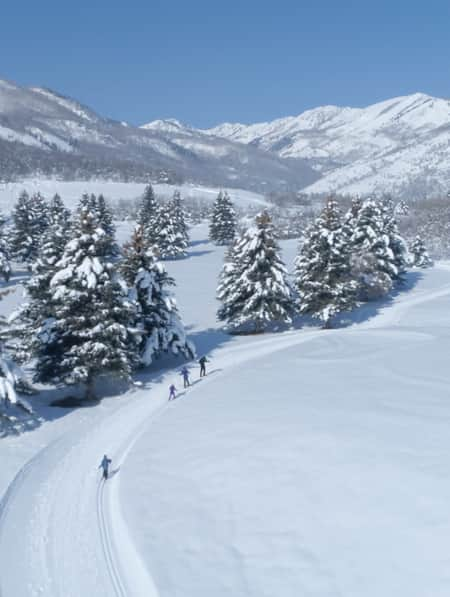
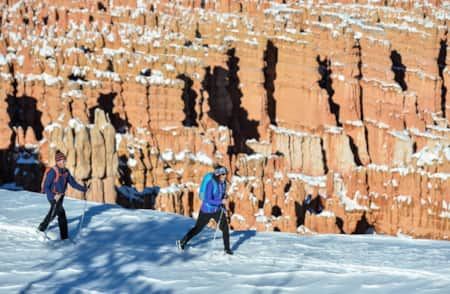
Gliding along on cross-country skis is a wonderful way to experience Bryce Canyon. Cross-country skiing is allowed on some park trails, including open sections of the Rim Trail, Paria Ski Loop and Bristlecone Loop Trail, as well as Paria View Road and Fairyland Road (which are unplowed in winter to allow for cross-country skiing and snowshoeing). Please stick to designated cross-country ski trails, and note that downhill skiing and snowboarding are not allowed in the park. It is illegal and dangerous to ski or snowboard (or sled) from the canyon’s rim down into the canyon.
-
Snowshoeing & Winter Hikes
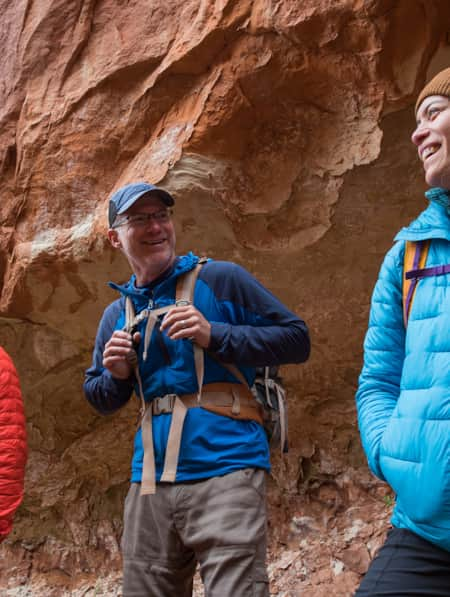
Bryce Canyon provides amazing opportunities for winter snowshoeing. Many visitors prefer the relatively flat terrain of Paria View Road, Fairyland Point Road and the open sections of the Rim Trail. Ranger-guided snowshoe hikes are a great way for adults and kids ages 8 and older to explore the park while learning about topics like winter ecology and geology. Full-moon snowshoe hikes are also very popular. Contact the park for more details. If the snow is too packed down and icy for snowshoes, try a winter hike with sturdy boots and over-the-shoe traction devices. Additionally, the park recommends traction devices be used on all paved areas, which can also become very slippery in winter.
-
Winter Astronomy
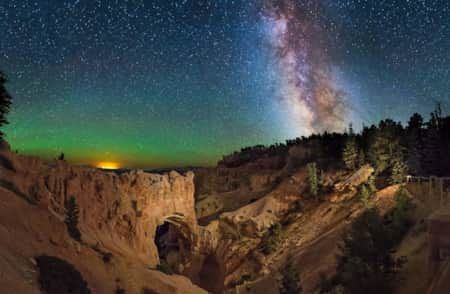
Clear winter nights make for beautiful starry skies. Bundle up in your warmest winter outfit and spend some time gazing up into the cosmos. Bryce Canyon National Park is a certified International Dark Sky Park and sometimes offers winter astronomy programs where rangers help acquaint people with the night sky, weather permitting. Programs may be canceled when the temperature or wind chill drops below 10 degrees.
Winter Camping Near Bryce
The park’s North Campground is open year-round, and sites are available on a first-come, first-served basis. Sunset Campground is closed in the winter. RVs are allowed, but sewer, water and electrical hookups are not available. The campground sits at about 8,000 feet, so be prepared for cold weather and snow.
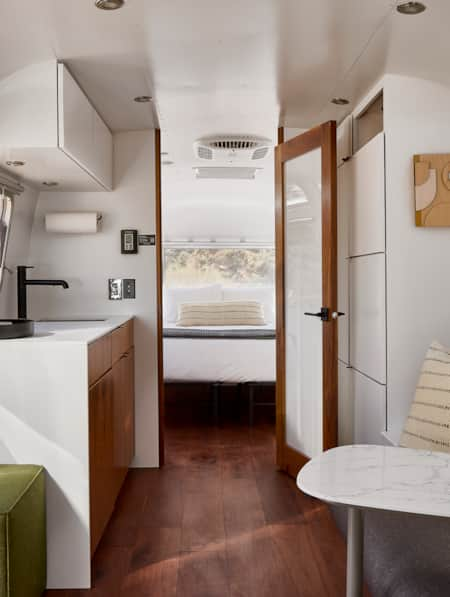
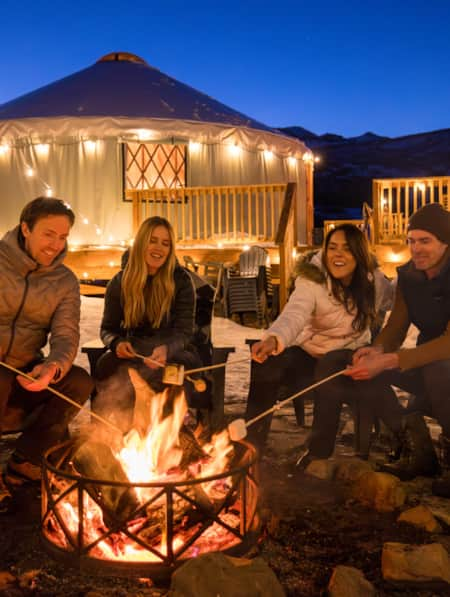
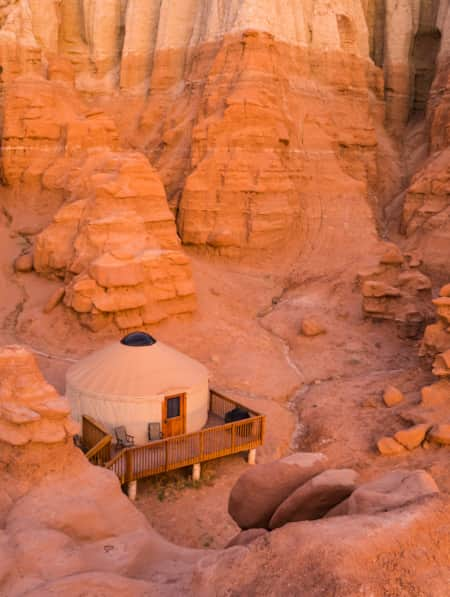
People looking for a more luxe camping experience may enjoy glamping, and nearby towns such as Tropic and Panguitch offer plenty of hotels, motels and other lodging options.
Winter in Bryce FAQs
Yes. Bryce Canyon National Park is open year-round. The main road stays open, but it may close for a day or more at mile marker 3 after major storms while crews plow. Crews clear the Bryce Amphitheater viewpoints first. Fairyland Road and Paria View Road close to cars all winter and are left unplowed for skiing and snowshoeing. The visitor center has shorter winter hours and closes on some holidays.
Yes, but trails can be icy, and some may close due to hazards. Open sections of the Rim Trail are the easiest winter walks. Below-rim trails can be steep and slick, and some need crampons. Ask a ranger at the visitor center about current conditions. Over-the-shoe traction devices are strongly recommended, even on paved paths. You can buy them at the visitor center bookstore.
Cross-country skiing is allowed on open sections of the Rim Trail, the Paria Ski Loop, the Bristlecone Loop Trail and the unplowed Fairyland and Paria View roads. Downhill skiing and snowboarding aren’t allowed in the park. Skiing, snowboarding or sledding from the rim into the canyon is illegal and dangerous, and it damages the hoodoos.
Dress in layers and wear waterproof boots. Pack “over-the-shoe” traction devices to handle park surfaces (including parking lots, trails and other areas) that can become very icy. Expect snowy and icy trails, and know that all areas can be slippery and hazardous. In your day pack, bring a spare set of dry clothes; sunglasses and sunscreen (sun on snow at high elevation is intense); and water and snacks.
Carry chains or use snow tires, and pack a winter emergency kit. Check road conditions before you drive, especially on the highways into the park.
Leave a trip plan with an emergency contact. Check the weather often. Stay flexible, since storms can close roads and trails with little notice. Have an indoor backup plan. Ranger-led astronomy programs are canceled when the temperature or wind chill drops below 10 degrees.
Winter Inspiration
-
5 Festive Activities to Brighten Your Utah Ski Holiday
Planning a holiday ski escape to Utah? Here's five festive activities to brighten your travels and raise the bar on holiday spirit.
-
A Winter’s Desert: Visiting Southern Utah in the Slow Months
Experiencing the peace of canyon country in the winter is an attraction of its own.
-
An Uncommon Confluence
A solo sojourn where snow and desert meet in a lesser-known corner of Utah’s red rock country.
-
Best Hikes in St. George During Winter
While Utah's Greater Zion offers a few hundred trails, we’ve highlighted seven of the best hikes in the state's southwestern corner, from deep canyons to high peaks.
-
Brian Head to Zion: Your Best Spring Break Ever
Just a few hours south of Salt Lake City, your family can experience two seasons in one trip. From skiing at Brian Head to biking in the desert, this giant playground offers canyoneering, glamping and hiking, all in one unforgettable adventure.
-
Explore the Tushars on Snowshoe
Ready to experience snowshoeing in Utah? Eagle Point is a Utah favorite location. Check out this snowshoe excursion then plan yours today for fun and adventure.
-
Find a Winter Refresh in a Utah State Park
The best Utah state parks will entice you with ice fishing, white sand and snow-dusted scenery. Take a winter break to refresh with a visit to a few of these places.
-
Ice and rock, snow and splendor: Winter in Southern Utah
Come along on a five-day expedition to see Southern Utah’s wintry face, explore national parks, ski its mountains and find ways to play in the snow.
-
Off-Season Off-Roading in Ticaboo
Familiar freedoms in a new kind of winter wonderland.
-
Planning Your Utah Desert Holiday
Where to find holiday lights, performances, farms and activities in Southern Utah.
-
Romantic Getaways in Utah
Find romantic retreats, staycations and date night ideas — from cozy ski lodge stays and luxury desert resorts to downtown dates and small-town strolls.
-
Take Advantage of Southern Utah’s Off-Season with Winter Glamping
Even with lower temperatures, an outdoor adventure doesn't need to include "roughin' it."
-
The Best Golf in Southern Utah
When the courses of Northern Utah are covered with snow, Southern Utah is ripe with elevated golf experiences that rival the best in the world.
-
The Complete Winter Camping Packing List for Staying Warm in Southern Utah
For most travelers, Southern Utah winters prevent comfortable camping, and occasional snowfall can make outdoor adventure a little more challenging. With a little extra planning, good layers, and the right equipment, however, you can enjoy Utah's national parks in the solitude of winter.
-
Top Ski Towns in Utah
The best ski towns in Utah tout easy access to The Greatest Snow on Earth®, along with lively culture, fine dining and off-mountain activities.
-
Winter in Southern Utah Like a Local
Southern Utah comes alive in winter with unexpected experiences for those who are well-prepared and solitude for those who want to expand their view.
-
Winter in the Bryce Canyon Area: Hiking, Cross-Country Skiing and Snowmobiling
Learn more about why Bryce Canyon and the surrounding areas are the perfect place for winter hiking, cross-country skiing and snowmobiling.
-
Winter Road Trip: Where to Stay, Hike and Eat When Traveling from Capitol Reef to Bryce Canyon
Need winter break ideas? Take a road trip from Capitol Reef to Bryce Canyon and enjoy the best of Utah landscapes during its quiet season.
-
Winter Wonders in Greater Zion
As you’re mapping out your winter trip through southeastern Utah, consider adding the following parks and natural wonders to your itinerary.
-
Winter Yurt Dining: A Cozy, Culinary Escape in the Heart of the Mountains
Explore six locations enriched with solitude and winter charm.
-
Yurt Camping in Utah: How To Have a Wintertime Yurt Excursion
Whether you’re glamping or choosing a simpler option, yurt camping in Utah during the wintertime is a fun, unique experience you won’t want to miss out on.