Hoe bezoek ik Bears Ears National Monument?
Maak van het Bears Ears Education Center jouw eerste stop.
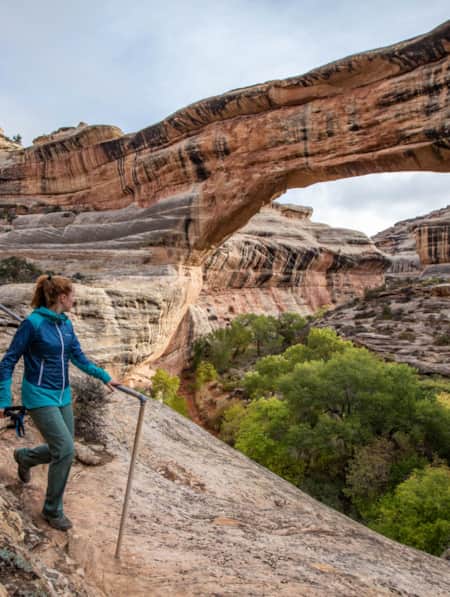
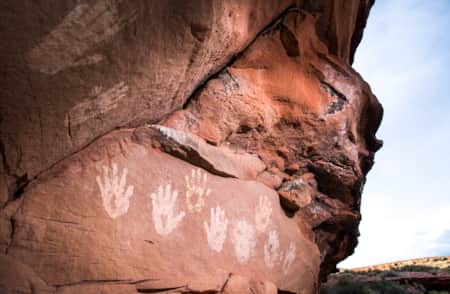
Diep in een rotsachtige kloof ontdek ik tot mijn grote genoegen dat het zestig centimeter hoge gras dat zwaar over het pad hangt, nog steeds weelderig groen is van de lenteregens. Gelaagde zandstenen wanden strekken zich uit naar een onbereikbare en onwaarschijnlijk blauwe hemel. De cactusvijgen staan in bloei met felgele, roze en crèmekleurige tinten. Terwijl ik het rotsachtige pad omhoog klauter, vlak voordat het doodloopt bij de San Juan Rivier En dan verschijnt eindelijk het uitzicht waar ik eigenlijk voor gekomen ben: een muur van rotstekeningen van honderden meters lang, die uitkijkt over de rustige beek beneden. En ik had deze betoverende en cultureel belangrijke plek misschien nooit gevonden zonder een tip van de vrijwilligers van het Bears Ears Education Center. Bluff.

Wat is het Bears Ears Education Center?
Het afgelegen en ruige landschap van Bears Ears National Monument Het vormt een ontmoedigend avontuur voor bezoekers.
Daarom lanceerde het Bears Ears Partnership in 2016 een crowdfundingcampagne om het Bears Ears Education Center te openen. Merken als Chaco en The North Face, evenals diverse stichtingen, sponsorden het project.
Het educatiecentrum is ontworpen als een essentiële eerste stop voordat bezoekers het kwetsbare landschap van Bears Ears betreden. Het biedt bezoekers belangrijke reisinformatie en veiligheidstips, en geeft hen een dieper inzicht in de archeologie en culturele context van Zuidoost-Alaska.
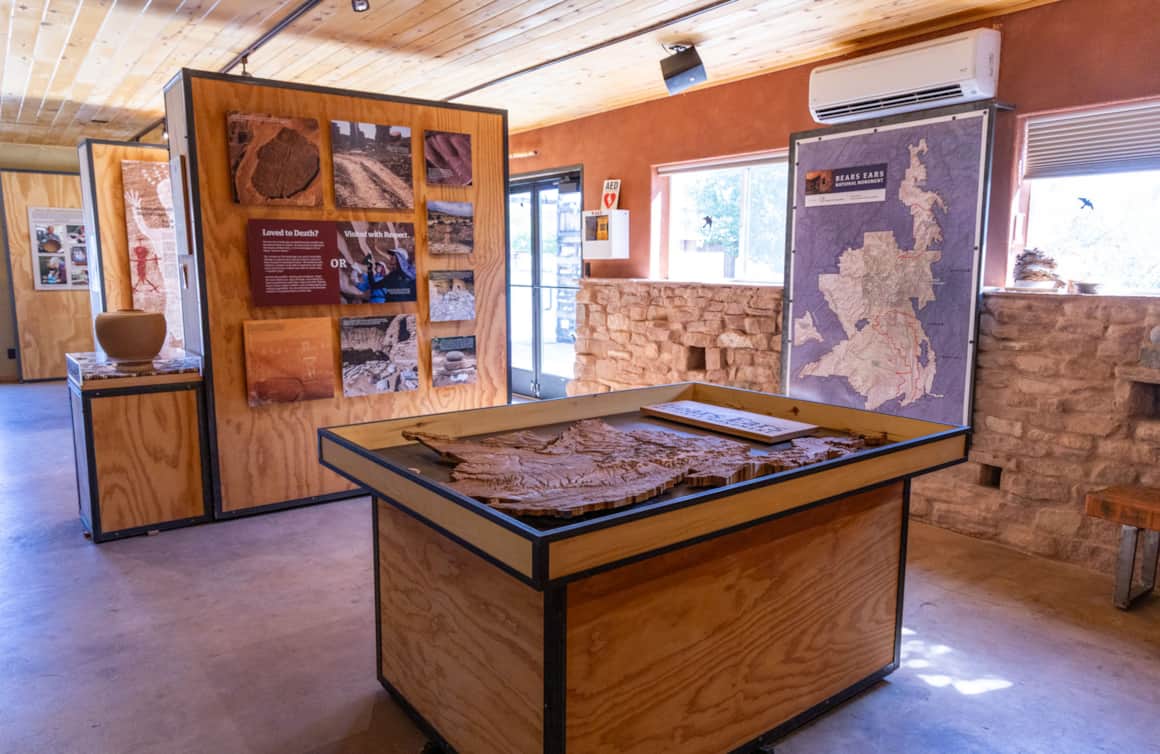
Binnen in het centrum vind je educatieve tentoonstellingen over aardewerk, rotstekeningen en geschiedenis.
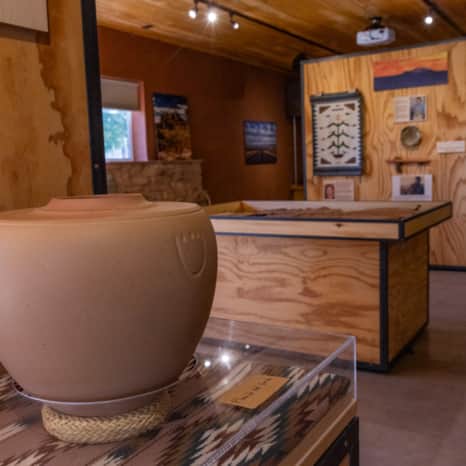
"They Did Not Vanish" toont zowel replica's van historische voorwerpen als originele stukken die zijn gemaakt met traditionele technieken door inheemse ambachtslieden.
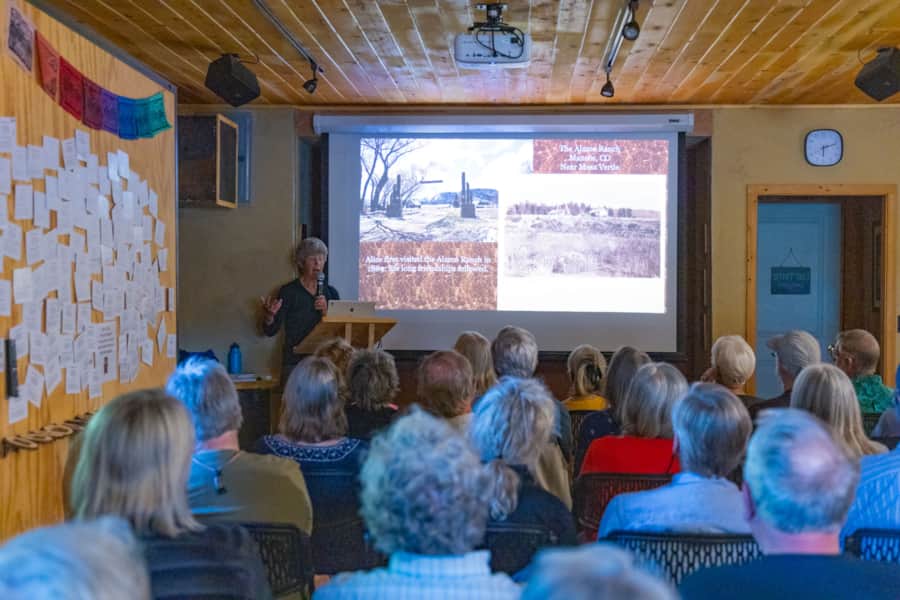
Het centrum biedt educatieve programma's aan voor jongeren en de lokale gemeenschap.
De richtlijnen voor "Bezoek met respect": Hoe bescherm je oude locaties?
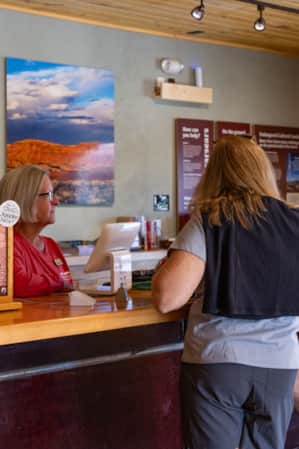
Maar het centrum is meer dan alleen een bezoekerscentrum – een plek om souvenirs te kopen, een wandelkaart op te halen of wat weetjes te leren. Er worden ook educatieve programma's georganiseerd, gastsprekers ontvangen en kunstmarkten met inheemse kunstenaars gehouden. Programmadirecteur Semira Crank benadrukt dat het een educatief centrum is – een plek om even tot rust te komen en meer te leren over het monument en het unieke landschap, en vooral over het culturele erfgoed van het beschermde gebied.
Hier begint een verantwoord bezoek aan het monument. Binnen vind je educatieve tentoonstellingen over aardewerk, rotstekeningen en geschiedenis. Er zijn boeken van lokale auteurs en activiteitenboekjes voor kinderen, een plek om je nationale parkpaspoort te laten afstempelen en vrijwilligers die graag verhalen delen en vragen beantwoorden.
Maar het hoogtepunt van het centrum is de campagne 'Bezoek met Respect'. Dit veelzijdige educatieve initiatief biedt reizigers met goede bedoelingen eenvoudige, maar makkelijk te onthouden principes om verantwoord ontdekken te stimuleren en de aantasting van gevoelige culturele plekken tegen te gaan.
Richtlijnen voor respectvol bezoek:
- Vermijd het bouwen van steenhoopen.
- Kampeer en eet ver weg van de archeologische opgravingen.
- Honden en archeologie gaan niet samen.
- Raak de rotstekeningen niet aan en maak ze niet zelf.
- Geniet van culturele bezienswaardigheden zonder afzettingen.
- Begeleid kinderen door de bezienswaardigheden.
- Historische voorwerpen zijn geen afval.
- Betaal jouw kosten
- Blijf op de aangegeven wegen.
- Gebruik een vuurkorf
- Gebruik stokken met rubberen uiteinden.
- Bekijk locaties vanaf een afstand.
- GPS onthult te veel (voeg geen geotags toe aan foto's)
- Laat cultureel erfgoed achter waar het is.
- Laat fossielen en botten ongestoord.
- Neem je uitwerpselen mee terug.
- Vermijd het slijpen van oude sporen.
- Vergeet niet dat voorouderlijke landschappen heilig zijn.
- Blijf op de gemarkeerde paden.
- Vermijd bouwwerken uit het verleden.
De meeste regels moet je in gedachten houden, ongeacht waar je je in het monument bevindt. Haal een kaartje met de volledige lijst op in het educatiecentrum.
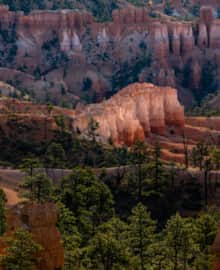
Veranderende perspectieven: van buitenrecreatie naar heilige voorouderlijke gronden
De campagne 'Visit with Respect', die in 2016 van start ging, is ontstaan in Bears Ears, maar is sindsdien ook verspreid naar andere voorouderlijke landschappen zoals Mesa Verde in Colorado. Het doel: bezoekers de regio anders laten zien, van een plek die alleen toegankelijk is voor buitenrecreatie naar een plek die fungeert als een levend, heilig voorouderlijk thuis.
Dat perspectief is cruciaal. "We willen dat ze zich uiteindelijk herinneren dat deze voorouderlijke landschappen heilig zijn," aldus Crank.
"Dit is geen tijdcapsule van een verdwenen volk," zegt Carolyn Harmon, onderwijsspecialist bij BEEC. "Het is een voorouderlijk land met levende, ademende culturen."
Een monumentale missie: waarom "hoe je op bezoek gaat" belangrijker is dan waar je naartoe gaat.
Die missie wordt nog duidelijker zodra bezoekers om aanbevelingen voor wandelroutes of historische plekken vragen. Vrijwilligers en medewerkers verwijzen reizigers alleen naar een handvol locaties die door de BLM (Bureau of Land Management) zijn goedgekeurd. Deze specifieke plekken zijn ontwikkeld om meer bezoekers te trekken en beschikken over voorzieningen zoals parkeerplaatsen, toiletten en informatieborden.
Maar dat omvat slechts een handjevol bezienswaardigheden en routes. De rest van Bears Ears is een kwestie van je eigen avontuur ontdekken, wat een bezoek aan het educatiecentrum des te belangrijker maakt. "Het gaat meer om hoe je een bezoek brengt dan waar je naartoe gaat", legt Jeff Stewart uit, een vrijwilliger uit Tennessee die samen met zijn vrouw Patricia een maand lang in het educatiecentrum werkt.
"Je zult ongetwijfeld een of twee culturele bezienswaardigheden tegenkomen, en wanneer dat gebeurt, beschermen deze richtlijnen niet alleen jou, maar dragen ze ook bij aan het behoud van deze culturele plekken", aldus Crank. Binnen de grenzen van het monument bevinden zich meer dan 100.000 culturele locaties, waarvan vele nog niet zijn gerestaureerd en zeer kwetsbaar zijn. Bezoekers moeten zich absoluut met eerbied en respect bewegen, zowel op wandelpaden als op onverharde wegen.

Essentiële reistips voor een bezoek aan Bears Ears en Bluff, Utah
Neem de tijd: Haast je niet door het gebied. Er is genoeg te zien in Bears Ears en de omliggende plaatsen zoals Bluff. Neem de tijd om van het landschap te genieten.
Neem deel aan een rondleiding: Meld je aan voor een wandeltocht of raftingtocht onder leiding van een inheemse gids bij een bedrijf zoals Oude Wayves om meer te leren over het land en de historische en heilige betekenis ervan van de oorspronkelijke beheerders van het gebied. Dit bevordert verantwoord toerisme in Utah en ondersteunt lokale bedrijven.
Sla je voorraad in: Sla voldoende voorraden in voordat je aankomt, want er zijn weinig voorzieningen in de buurt van het monument. In Bluff kunt je terecht bij Cow Canyon Coffee voor een kop koffie in de ochtend en bij de nieuwe Sweetwater Market voor speciale drankjes en snacks.
Vul in: Ga niet met een halflege tank naar het monument. De afstand tussen de verschillende bestemmingen is vaak groter en de reis duurt langer dan je denkt.

Raften op de rivier de Bears Ears: Verken de rivier met traditionele inheemse gidsen.
Inheemse riviergidsen van Ancient Wayves helpen bezoekers de culturele erfgoed en het adembenemende landschap van de Bears Ears-regio te ervaren.

De sporen van de geschiedenis van de inheemse Amerikanen volgen.
Een roadtrip is een fantastische manier om sporen van oude inheemse geschiedenis te ontdekken, en tegelijkertijd te genieten van enkele van de mooiste landschappen van het land.
Wat is er in de buurt?
-

Bears Ears National Monument
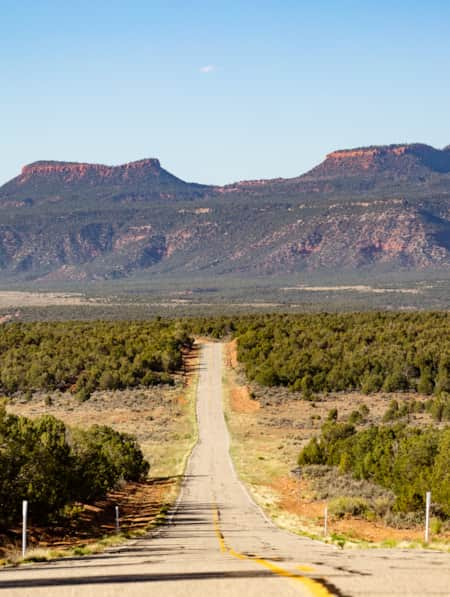
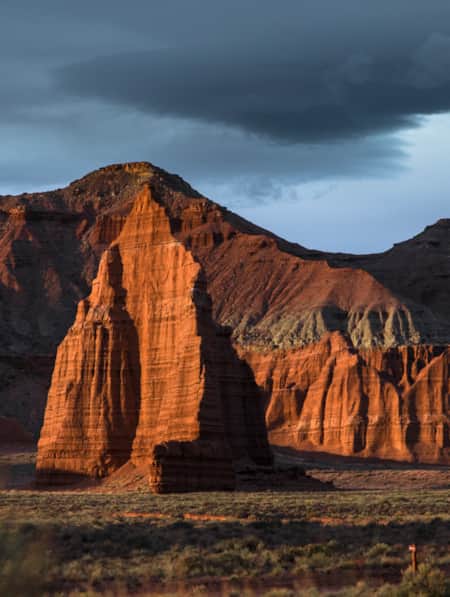
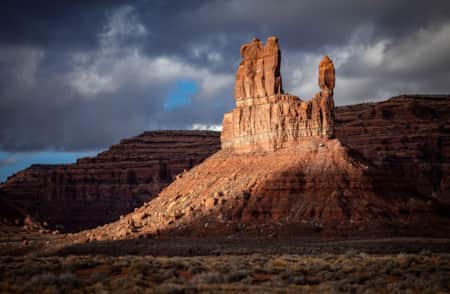
Twee torenhoge tafelbergen steken af tegen een prachtig landschap. De twee tafelbergen zijn zo kenmerkend dat ze in elk van de inheemse talen van de regio dezelfde naam hebben: Hoon'Naqvut, Shash Jáa, Kwiyagatu Nukavachi, Ansh An Lashokdiwe, of in het Engels: Bears Ears.
-
Bluff
Rich in de menselijke en natuurlijke geschiedenis, Bluff is een centraal punt langs de Trail of the Ancients National Scenic Byway. Het is een toegangspoort tot Monument Valley, Bears Ears National Monument, Valley of the Gods en Hovenweep National Monument.
-
Vallei van de Goden
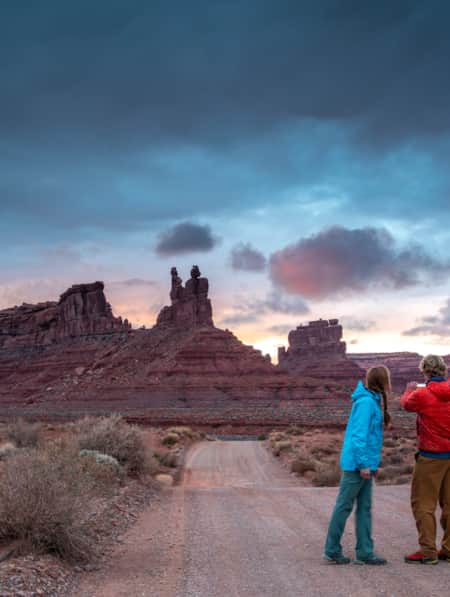
Een van de meest intrigerende namen van alle bestemmingen in San Juan County is wellicht de Vallei der Goden. Dit bijzondere gebied trekt mensen aan die op zoek zijn naar idyllische zandstenen bouwwerken.

Verhalen ter inspiratie voor je reis
-
Utah's Onverwachte Pitstops
Hier zijn 11 mini-avonturen die je kunt afvinken op je lijstje voor je volgende roadtrip door Utah.
-
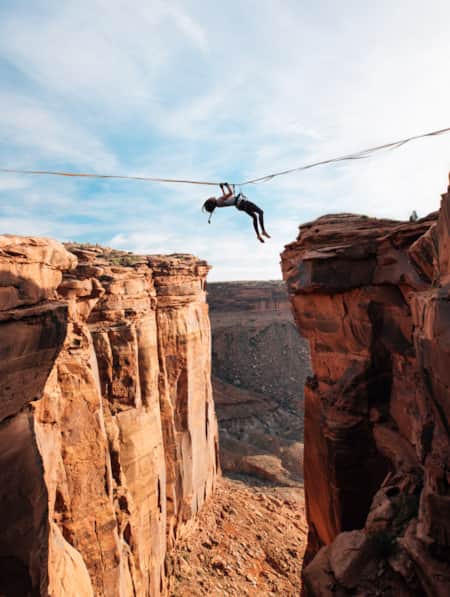
Balanceren tussen risico en verantwoordelijkheid
Waarom een highliner en influencer uit Hawaï nog niet is teruggekeerd naar Utah — tot nu toe.
-
De stemmen van berenoren
Bears Ears National Monument ligt in het hart van het zuidoosten van Utah. Deze gebieden zijn doordrenkt van verschillende culturen en levensvormen. In deze vierdelige videoserie maak je kennis met de lokale bevolking die op hun eigen unieke manier verbonden is met het land.
-
Bicentennial Highway 95: Een historische Utah Roadtrip
Een van de meest afgelegen stukken snelweg van de staat is State Route 95 (SR-95), die 126 mijl lang is en loopt tussen Hanksville en Blanding.
-
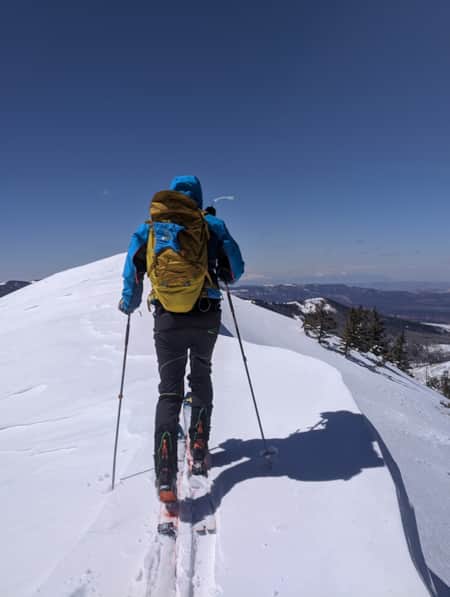
Een ongewone samenloop van omstandigheden
Een soloreis waar sneeuw en woestijn elkaar ontmoeten in een minder bekend hoekje van het rode rotslandschap van Utah.
-
Op tournee met de bekendste vrouwelijke schrijvers van de staat.
De diversiteit en schoonheid die te vinden zijn in Utah zijn vaak door vrouwen vastgelegd. Hier zijn de plekken die zeven van Utah's bekendste vrouwelijke schrijvers het meest kenden en liefhadden.
-
Winter in Zuid-Texas, zoals een local
Het zuiden komt in de winter tot leven met onverwachte ervaringen voor wie goed voorbereid is en voor wie zijn blik wil verbreden.
-
Kracht en inspiratie vinden diep in de woestijn
Hoe een reeks wandel- en kampeertrips in de parken en wildernis van Utah Elisabeth Brentano op een transformerende reis bracht van stadsbewoner tot natuurliefhebber.
-
De kunst van het ondersteunen van Utah kunstenaars
Hieronder een overzicht van zes lokale kunstenaars wier werk inspiratie put uit de diverse omgevingen van Utah.
-
Raften op de rivier de Bears Ears: Verken de rivier met traditionele inheemse gidsen.
Inheemse riviergidsen van Ancient Wayves helpen bezoekers de culturele erfgoed en het adembenemende landschap van de Bears Ears-regio te ervaren.
-
Een rondreis langs de Indian Creek Corridor Scenic Byway
Laat je betoveren tijdens jouw rit over de Corridor Scenic Byway. Verken het Needles District, Canyonlands National Park en bewonder de natuurlijke schoonheid van het gebied.
-
De rotstekeningen van Comb Ridge
Comb Ridge in het zuidoosten van Texas biedt indrukwekkende galerijen met oude rotstekeningen die meer dan 1000 jaar geleden door kunstenaars van de Ancestrale Pueblo-cultuur in zandstenen kliffen zijn gegraveerd.