How Much Water to Pack for Your Utah Adventure

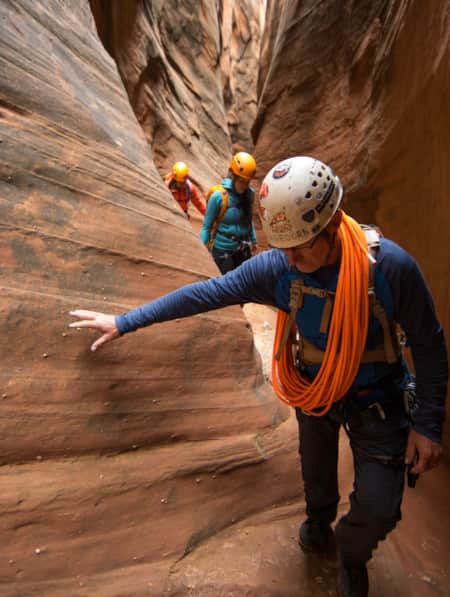
Whether you're hiking a flat route through the Grand Wash in Capitol Reef National Park or navigating a technical slot canyon in Grand Staircase-Escalante, understanding desert hydration is critical for your safety. Utah's arid, high-desert climate demands that you carry adequate water year-round.
While many popular parks have refill stations, you'll need to bring your own supply for remote areas and long road trips. Always calculate your needs based on the temperature and the intensity of your adventure.
Factors to Consider When Packing Water
How much water you need for hiking depends on several environmental and physical variables:
- Activity Intensity & Duration: Steep climbs require significantly more fluid.
- Altitude: Utah’s high elevation thins the air and dehydrates you faster.
- Temperature: Arid heat evaporates sweat instantly, often before you feel "wet."
- Individual Biology: Your age, weight and personal sweat rate also impact how much water you should consume.
The Baseline: 16 Ounces Per Hour
A reliable rule of thumb for moderate activity in moderate temperatures is to consume half a liter (about 16 oz) of water per hour.
However, as intensity increases, so should your intake. A difficult hike in high heat can require 1 liter (about 32 oz) per hour. The official recommendation from Arches National Park is that every hiker carries at least 4 quarts (128 oz/1 gallon) of water for a full day.
General Water Recommendations:
- Moderate Weather/Intensity: 0.5 liter or about 16 oz per hour
- High Heat/Intensity: 1 liter or about 32 oz per hour
- Daily Minimum: 4 quarts (128 oz/1 gallon) per person
And it doesn't hurt to bring more than you think you’ll need. An unexpected detour or a minor injury can turn a two-hour hike into an all-day ordeal. And when your water is half gone, you should consider that the halfway point for your adventure.
"When your water is half gone, you should consider that the halfway point for your adventure."

Can You Find Water on the Trail?
Potable water is rare on Utah trails. Outside of national park and state park visitor centers, sources are unreliable or could be contaminated. Never rely on seasonal streams or potholes unless you are an expert in filtration. If you didn’t carry it in, assume it isn't there.
Early Signs of Dehydration
"In Utah’s heat, dehydration can happen faster than people expect because sweat evaporates quickly in the dry air, so they may not realize how much fluid they’re losing," says Dr. Marta McCrum, a University of Utah trauma surgeon and intensive care physician. "Early signs of dehydration include thirst or dry mouth, dark urine or urinating less often, and new fatigue, headache, dizziness, or lightheadedness."
McCrum also reminds families: "Children may not recognize or communicate thirst, dizziness, or fatigue early, so parents should schedule water breaks every 15-20 minutes, watch for changes in energy or behavior and turn back sooner rather than later if any of these signs show up."
Keep this dehydration symptom checklist in mind:
- Thirst or dry mouth.
- Dark-colored urine or reduced output.
- Fatigue, dizziness, or lightheadedness.
"Don’t push through those symptoms — stop, rest in the shade, drink fluids and turn back early," says McCrum. "Start hydrating before you hit the trail, carry enough water for the full hike, drink at regular intervals and bring salty snacks or electrolytes for longer outings. Whenever possible, hike early in the morning or later in the day and avoid strenuous activity during the hottest part of the afternoon."

Always Adventure Safe Checklist
Remember these six tips to help ensure that you're Always Adventure Safe in Utah’s outdoors:
- Bring Enough Water: Every season in Utah’s dry climate requires bringing adequate water. The daily temperature and intensity of adventure dictate how much. Make sure to calculate and plan for your needs.
- Check Conditions: Check forecasts, flash flood, fire danger and avalanche warnings before heading out. Pack for unexpected weather. Research road, trail and water conditions. Start early to avoid midday heat or being out after dark.
- Stay on the Trail: It’s easy to become disoriented or wander onto precarious terrain. Stay on the trails and respect all safety barriers. Always carry a map or a GPS system, cell service often fails in remote areas. (Read: Utah Trail Guide: Best Resources for Maps and Trail Navigation)
- Know Your Limits: Altitude changes and extreme temperatures can impact your abilities. Check trail difficulty, take breaks and turn around if needed. Go with a guide if you're using new equipment or exploring unfamiliar activities or terrain.
- Dress Appropriately: Clothing needs change depending on season and activity. Always consider sun protection, bring extra layers and dress for safety with proper footwear and protective gear like helmets, life jackets, eye protection and gloves.
- Tell a Friend: Before heading out, let someone know your plans: where you’re going, who you’re going with, and when you’ll be back. Turn on location sharing, but be prepared for limited cell service.

More Stories to Inspire Your Travel
-

A Photographer’s Guide to Mindful Travel
Utah's deserts are a photographer's dream, yet very fragile. Find out how photographers can take a few simple steps to care for this unique environment.
-
How to Stay Safe and Stoked as a Solo Woman Traveler
Tips to help keep solo women travelers safe on road trips and outdoor adventures in Utah and beyond. From a gear checklist to suggestions about where to camp and how to handle stressful situations, writer and photographer Elisabeth Brentano shares her experiences.
-
Hiking Southern Utah with Younger Children: Tips for Family Friendly Adventure
Find safety tips, side activities and kid-friendly hikes in Utah with our special guide to hiking Southern Utah with children. Read now!
-
5 Expert Tips to Prepare for Your Utah National Parks Adventure
If you’re planning to visit Utah national parks for a hike, learn important tips to maximize your experience and keep you and your family safe.
-
How to Slow Travel in Utah
Avoid the mad scramble and consider slow travel as a better approach to your Utah trip.
-
A Winter’s Desert: Visiting Southern Utah in the Slow Months
Experiencing the peace of canyon country in the winter is an attraction of its own.
-
The Complete Winter Camping Packing List for Staying Warm in Southern Utah
For most travelers, Southern Utah winters prevent comfortable camping, and occasional snowfall can make outdoor adventure a little more challenging. With a little extra planning, good layers, and the right equipment, however, you can enjoy Utah's national parks in the solitude of winter.
-
How to Visit Utah’s Most-Visited Forest
The Wasatch Front mountain range offers endless amounts of recreational activity. Learning how to visit responsibly will enhance your overall experience.
-
How to Camp on Utah’s BLM Lands
Read these insights and tips gathered from a novice’s first-ever camping trip on BLM and public lands to gain the confidence you need to recreate happily and respectfully on Utah’s public lands.
-
How to Canyoneer Safely
Whether you’re a newbie or a seasoned canyoneer, here are six expert tips for your next canyoneering adventure.
-
A Van Lifer’s Guide to Responsible Travel in Southern Utah
When Utah’s dirt roads are calling you, it’s time to plan your van life road trip. Here’s what you need to know to travel safely, support Utah’s rural communities, and help preserve the delicate desert landscapes.
-
Planning Ahead for Your Utah Adventure: Outdoors Tips for Three-Season Fun
Before you plan your Utah outdoor adventures, check out our guide to proper preparation. You’ll enjoy your action-packed travels even more. Read now!
-
Use These Apps to Enhance Your Utah Travel
Apps can help you identify wildlife, learn about the night sky, plan your trip, and more. Use these apps to help take your Utah trip to the next level.
-
You're Inspired to Go Off the Beaten Path. Now What?
Here’s how to navigate Utah's backcountry safely.
-
Walking The Line Between Risk and Responsibility
Why a Hawaii-based highliner and influencer hasn't returned to Utah — yet.
-
Powder Pups to the Rescue
Four furry friends help the Solitude Ski Patrol do their duties.
-
Winter in the Bryce Canyon Area: Hiking, Cross-Country Skiing and Snowmobiling
Learn more about why Bryce Canyon and the surrounding areas are the perfect place for winter hiking, cross-country skiing and snowmobiling.
-
How to Visit Utah's National Parks
Use these tips to make the most of your trip to Utah’s national parks and monuments.
-
Be Prepared for the Southern Utah Backcountry
Prepare for a trip out into Utah's rugged red rock backcountry by learning as much as possible about the area before heading out. Stop by a ranger station to educate yourself and pick up necessary permits. Always practice good backcountry ethics and proper safety techniques for a safe and enjoyable adventure.
-
What to Wear on a River Rafting Trip
There are a variety of Utah river trips to be had, from rafting the Green River’s whitewater, to leisurely floating the Colorado. Here's your packing list.
-
5 Reasons to Hire a Guide to Run Utah’s Rivers
While we eat and splash in the river to escape the early morning heat, the four guides will wash the dishes, break down camp, load our bags on the rafts and discretely stow the toilet.
-
Hiking the Desert in Capitol Reef National Park
-
How to Backcountry Camp Responsibly
Four tips on how to camp more thoughtfully and responsibly in Utah's backcountry.
-
How to Bikepack: Pro Tips for Planning a Multi-day Backcountry Ride
Want to learn how to bikepack? Check out these tips and bikepacking gear list from veteran rider Kurt Gensheimer and plan your own Utah bikepacking trip!
-
Backpacking in Canyonlands National Park
Canyonlands National Park offers a spectrum of backpacking opportunities — from short trips at designated backcountry campsites to longer, adventurous trips that require extensive planning and desert canyon navigational knowledge.