Photo: Alison Vagnini
Explore Zion Thoughtfully
The more time you allow, the deeper your experience. Give yourself extra days to explore the region thoroughly and take in other special places around Zion National Park. Find the right basecamp for you, be it Springdale, St. George, Cedar City, East Zion, La Verkin or Kanab. Start with The Complete Zion itinerary for ideas.
These unique gateway communities offer lodging, dining, shops and guided outfitters to help make the most of your visit to the area. Give back to these communities by supporting local businesses and being a considerate visitor. If possible, consider volunteering, supporting local organizations or giving back in other philanthropic ways. The Zion National Park Forever Project is another great way to show your support for the park and the surrounding area.
Responsible Travel Tips
-
Check the Weather
Read the weather forecast often, as the weather can change quickly and drastically. Understand how the climate and conditions will impact your day’s outing and be aware of your own limits. Pack accordingly and be sure to bring enough water, food, proper clothing and sun protection.
-
Know the Area or Hire a Guide
Study maps to understand the various entrances and transportation options. If riding a bicycle, read up on where bicycles are allowed in the park and other cycling guidelines. Or consider hiring a local expert — guides and outfitters let you experience the outdoors deeply, without any planning or wayfinding stress.
-
Take the Shuttle
Look up in advance the mandatory shuttle service available within the park during the most popular months in Zion Canyon. Parking lots fill up on busy days, so get there early or plan ahead for alternative parking options. Additionally, beginning June 7, 2026, oversized vehicles will be rerouted from the Zion-Mount Carmel Highway.
-
View Live Alerts
Check the most recent regulations, suggested guidelines, road closures and more before you go. Follow Zion National Park on X, Facebook and Instagram, or check park alerts on nps.gov for conditions, traffic and park recommendations.
Getting to & Getting around
-

Where to Escape Crowds Near Zion
Wondering when you can have more of Zion’s trailheads to yourself? Discover the best timing and destination to avoid the crowds for your next Zion trip.
-
Airports Near Zion
The airports closest to Zion National Park make this runway-to-red-rocks journey possible.
-
Zion Where to Stay
Looking for places to stay near Zion National Park? Check out our guide to vacation lodging at this magnificent park and book your stay today!
-
Traffic, Shuttles and Fees
The best way to get around Zion National Park is with the free shuttle from Springdale. Learn everything you need to know to plan your trip!


How far is Zion from other Utah National Parks?
Discover more Mighty 5 magic. Extend a Zion trip with additional adventure at Arches, Bryce Canyon, Capitol Reef or Canyonlands.
How far is it from Zion to Arches, Canyonlands and Moab?
The drive from Zion National Park to the Moab area, the gateway to Arches and Canyonlands, varies. The scenic route via Scenic Byway 12 and UT-24 through Capitol Reef calls for 8 to 10 hours of driving. The fastest route using I-15 North and I-70 East takes about 5 to 5.5 hours.
What’s the distance between Zion to Bryce Canyon?
The drive from Zion National Park to Bryce Canyon National Park takes about 1.5 to 2 hours. The most direct route follows UT-9 East (through the Zion-Mount Carmel Tunnel) to US-89 North, then heads east on Scenic Byway 12.
What’s the drive time from Zion to Capitol Reef and Torrey?
A drive from Zion National Park to Capitol Reef and its gateway town of Torrey depends on the route. A more scenic route along Scenic Byway 12 takes 4.5 to 6 hours. A faster route along the interstate takes about 3.5 to 4 hours.
Visit With Respect
Experiencing the stunning beauty of Zion should inspire you to want to preserve and protect this hallowed place. Practice Leave No Trace principles to ensure that all parts of the park are left as nature intended it. Leave places as you found them, respect wildlife, plant life and geology, dispose of waste properly and be considerate of others.
- Pack it in, pack it out. Leave no trash or human waste behind (Read: "How to Poop in the Outdoors"). Zion requires visitors to pack out solid human waste, toilet paper and hygiene items.
- Leave rocks, plants, animals and natural objects as you found them. Never leave marks or scratches on rocks or other surfaces and admire artifacts and natural features from a distance without touching or disturbing. Tree carvings, rock etchings and spray painting are forms of vandalism and graffiti, which are illegal on public lands.
- Due to overcrowding and traffic, it’s now common to see vandalism and other types of damage throughout national parks. By respecting the new Angels Landing permit process and other national park regulations, you’re protecting the natural beauty of Zion.
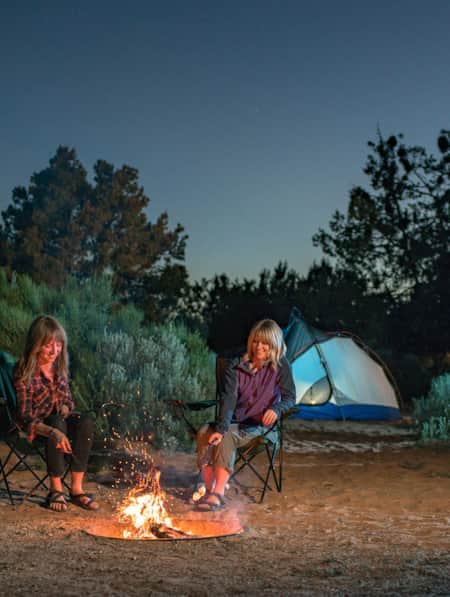
- Stay on existing trails and do not travel off course or “bust the crust.” Camp only in designated areas on durable surfaces and follow all campfire rules and regulations. Rock cairns, or rock piles, are trail markers. Do not disturb them or add new ones, as they could mislead other hikers.
- Leave drones and pets at home. The use of off-highway vehicles (ATVs, OHV, UTVs, etc.) is also not allowed in Zion National Park.
- Be courteous to other visitors by minimizing noise, yielding to others on trails and respecting trail and transportation signage.
- Show consideration for other visitors, and be a mindful photographer.
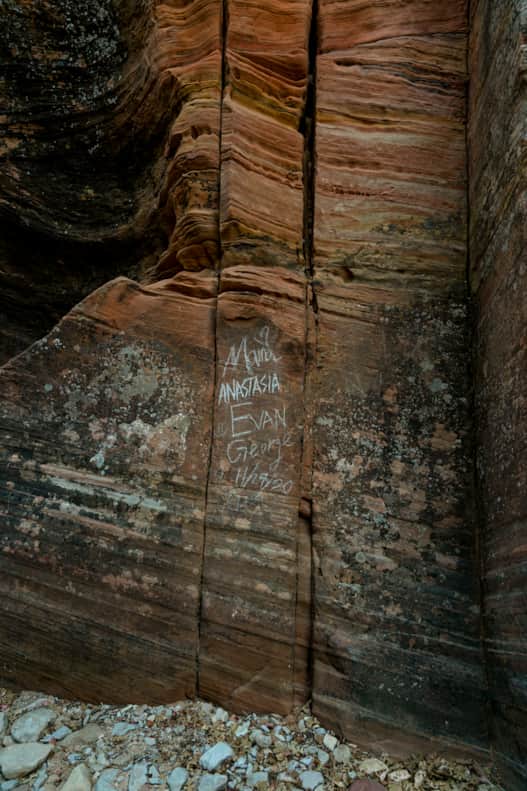
Unfortunately, vandalism is becoming common across Southern Utah's red rock canyons.
Photo: Zion National Park
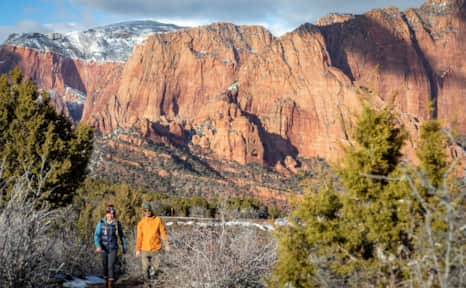
The most popular trails in Zion are located in Zion Canyon, but there are several hiking options located in Kolob Canyons in the northwest corner of the park.
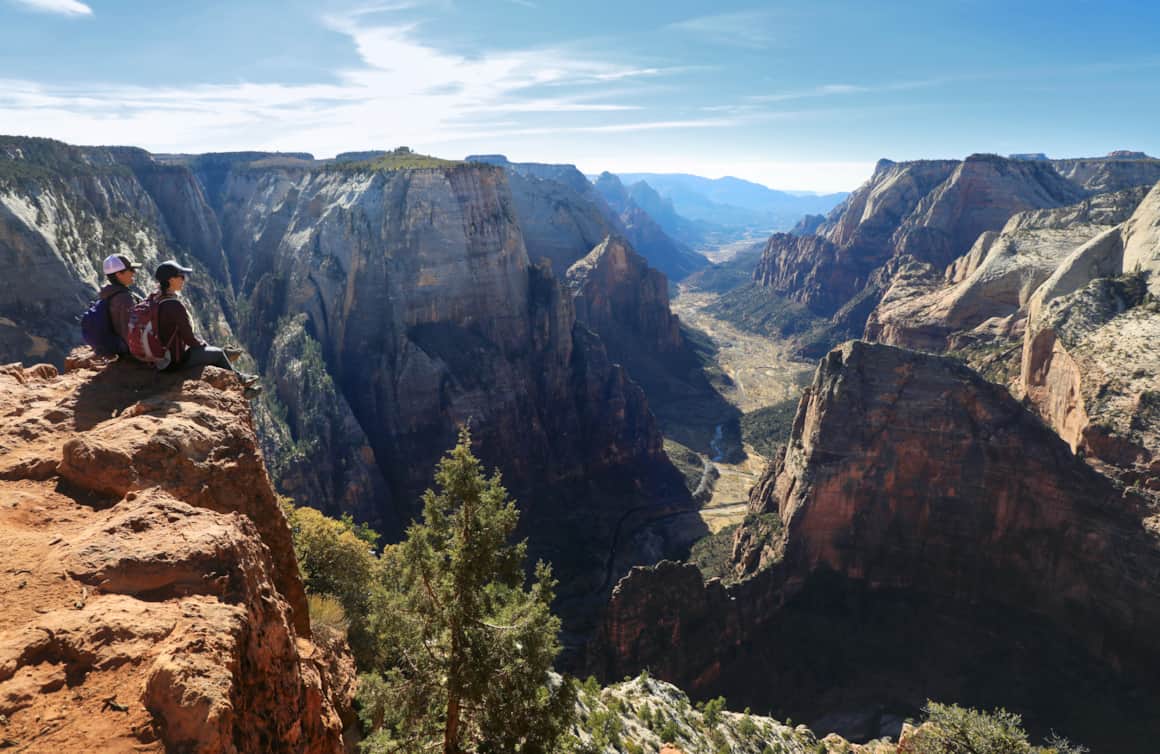
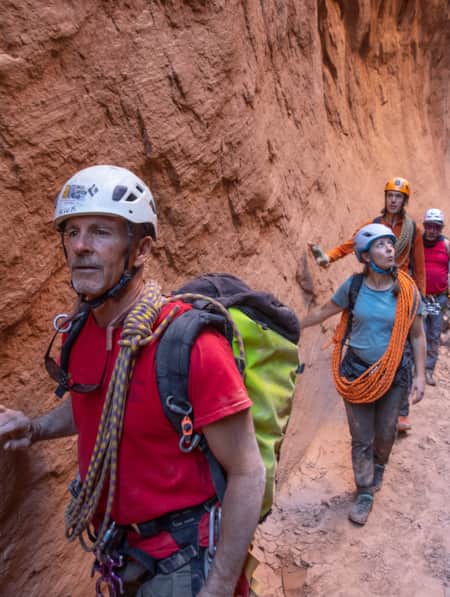
Consider hiring a local expert in the Zion area — guides and outfitters allow you to deeply experience the outdoors, without any planning or wayfinding stressors.
"Visit Zion in a considerate way to ensure this wild place stays a spot that future generations can continue to enjoy. "

Take Care of Yourself
You can’t enjoy the splendor of Zion sufficiently and preserve this treasured place if you’re not first taking care of yourself and those in your group. Watch where you step, know your physical limits and pack all your necessary essentials, from first aid or medical supplies to proper clothing to enough water and food. (Read: Utah Trail Guide: Best Resources for Maps and Trail Navigation)
Prepare for the Heat
During the hottest parts of the day in the peak of summer, temperatures can spike over 100°F. Avoid exertion or overheating during the peak temperatures of the day. Consider hiking in the cool of the mornings and evenings. There is very little shade on most trails within the park. Protect yourself with sunscreen, sunglasses, a hat and protective clothing.
Stay Hydrated
Dehydration is a real threat in desert environments. Active hikers should plan to bring at least one gallon of water per person per day. Remember to stay hydrated by drinking water before you get thirsty. Always carry enough water to meet your daily needs or research ahead where drinking water may be available. Desert water sources may run dry at certain times of the year and, if untreated, can contain harmful or toxic microbes that can impact human and pet health. (Read: How Much Water to Pack for Your Utah Adventure)
Pack Enough Food
Bring enough food and snacks for your group and for the outing you have planned and be aware of where food is served within or outside the park. Remember to pack out what you brought in and dispose of all trash properly.
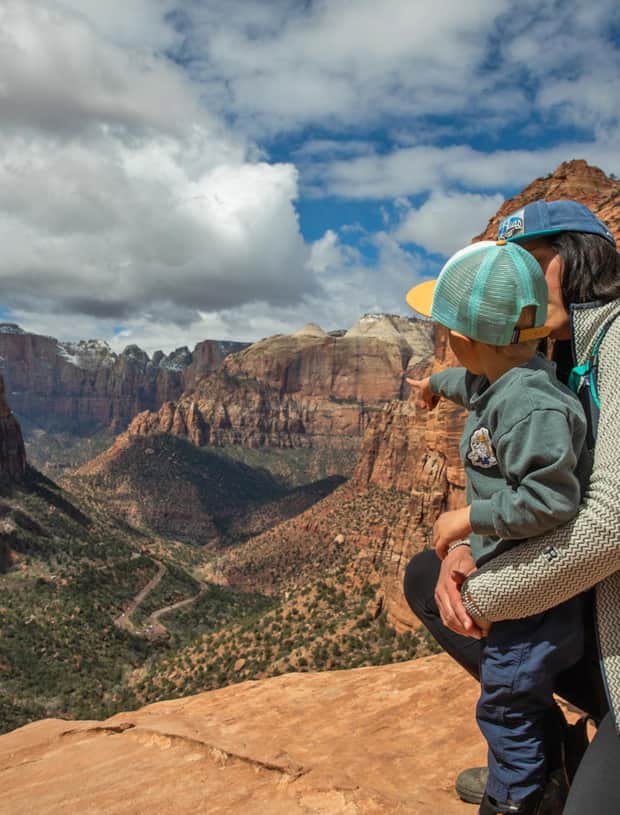
The Complete Zion Trip
Tucked into the southwest corner of Utah, Zion National Park is the centerpiece for a 6-day red-rock vacation that includes a little bit of everything that makes the state such a marvel to experience.
Highlights
- The Watchman Trail
- Grafton Ghost Town
- St. George and Snow Canyon State Park
- Brian Head to Dixie National Forest
- Slot Canyon Adventures Near Kanab
- Grand Canyon North Rim
Read the Stories
-
5 Expert Tips to Prepare for Your Utah National Parks Adventure
If you’re planning to visit Utah national parks for a hike, learn important tips to maximize your experience and keep you and your family safe.
-
A Van Lifer’s Guide to Responsible Travel in Southern Utah
When Utah’s dirt roads are calling you, it’s time to plan your van life road trip. Here’s what you need to know to travel safely, support Utah’s rural communities, and help preserve the delicate desert landscapes.
-
A Winter’s Desert: Visiting Southern Utah in the Slow Months
Experiencing the peace of canyon country in the winter is an attraction of its own.
-
Hiking the Desert in Capitol Reef National Park
-
How To Stay Safe in the Outdoors
Know how to stay safe and informed during your Utah trip and who is helping when you get into trouble.
-
Protecting Our Forests — One Branch at a Time
When it comes to preserving forests, University of Utah ecologist Nalini Nadkarni believes in the cumulative power of small acts of goodness.
-
Staying Safe in Wildfire Country
As you’re packing your bags for that Utah camping or river trip you’ve been looking forward to all winter, take a moment to brush up on some fire safety tips.
-
The Complete Winter Camping Packing List for Staying Warm in Southern Utah
For most travelers, Southern Utah winters prevent comfortable camping, and occasional snowfall can make outdoor adventure a little more challenging. With a little extra planning, good layers, and the right equipment, however, you can enjoy Utah's national parks in the solitude of winter.
-
Walking The Line Between Risk and Responsibility
Why a Hawaii-based highliner and influencer hasn't returned to Utah — yet.