Basecamps For the 2034 Winter Olympics
-

Salt Lake City
Utah's capital city, features outdoor adventure, local cuisine and all the big-city amenities. Salt Lake City is the main gateway for travelers making the quick trip to Utah's ski resorts, southward to Utah’s renowned red rock country, or northward to Yellowstone and Grand Teton. The city also offers alternative entertainment through the lenses of its celebrated subcultural music and art scene.
-
Park City
Park City could certainly stake a rightful claim of being the “perfect mountain town.” It strikes a balance between luxury and comfort, all the while showing a deep appreciation for athletics and the arts. Expand your trip into Heber Valley for more culture and things to do.
-
Ogden
Historic Ogden has a surging downtown and nightlife on 25th Street and the Junction where great brews and food accompany your visit. Whether you stay in town for iFLY indoor skydiving or head up scenic S.R. 39 toward Snowbasin and the extensive national forest, you’ll find Utah adventure.
-
Provo & Utah Valley
The Utah Valley offers an emerging dining scene, extensive cultural offerings and Provo Canyon, whose river is home to scenic fly-fishing and floating — all beneath iconic Mount Timpanogos. Don't miss Thanksgiving Point in Lehi and the world-class arts and eclectic culture of Springville.
-
Heber Valley
Between the destination towns of Heber and Midway, Heber Valley astonishes with its alpine splendor and access to endless outdoor recreation.




2034 Winter Olympics FAQs
What venues from the 2002 Olympics will be reused in 2034?
Salt Lake City will reuse almost all the venues from the 2002 Games, which are still operational. Key reused venues include:
- Rice-Eccles Stadium: opening and closing ceremonies
- Utah Olympic Park: sliding events (bobsled, luge, skeleton) and ski jumping
- Utah Olympic Oval: speed skating
- Mountain Resorts: Deer Valley, Park City Mountain, and Snowbasin for skiing and snowboarding events
How many sports and events will be included in the 2034 Games?
The Games will feature the 15 traditional Winter Olympic sports disciplines. The final number of medal events will be set closer to the date, but the program is based on the existing slate of winter sports.
What new sports might debut in the 2034 Winter Olympics?
New sports are likely to be introduced at the 2034 Olympics, but so far, no specific new sports have been announced. Expect more information as the Olympics get closer.
What new venues or infrastructure will be built for the 2034 Olympics?
The bid requires no new permanent competition venues or major transport infrastructure. The few additions include a temporary Big Air ramp to be built in downtown Salt Lake City and a temporary curling rink inside the Salt Palace Convention Center. Existing venues will undergo some renovations and upgrades.
Why was Salt Lake City chosen to host the 2034 Winter Olympics?
Salt Lake City was the preferred choice primarily because due to sustainability, legacy, strong community support and compactness. Existing world-class venues are in still great condition and ready to go, making it highly cost-effective and low-impact for Salt Lake City to host in 2034. There is overwhelming public and political backing for the Olympic Games to return to Utah. All venues are conveniently located within a one-hour drive of Salt Lake City.
Read the Stories
-
11 More Utah Winter Experiences Outside the Ski Resorts
No matter your level of adventure, you will find good reason to save some time for a day away from the resort.
-
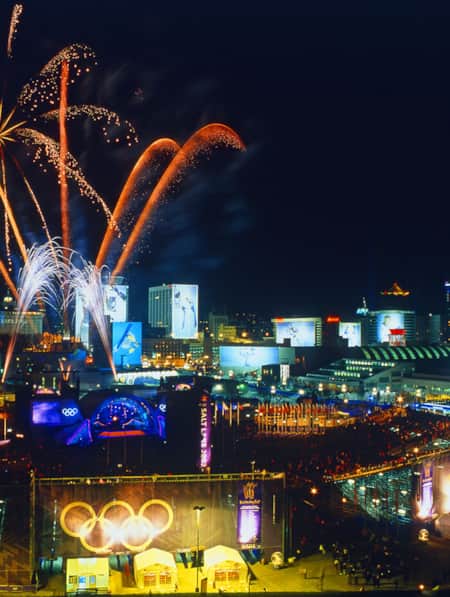
A Cauldron of Continuing Olympic Fervor
Since hosting the 2002 Winter Olympic and Paralympic Games, in many ways the Olympic spirit and world-class athletes that seized Utah have never left.
-
Best Spots to Get Olympic Spirit
Just because the Salt Lake 2002 Olympic Winter Games are in the past doesn’t mean that the Utah Olympic spirit is has been snuffed out. Athletes still train here, and ski schools in Utah resorts might be the start of a future Olympian’s career.
-
Cross-country Skiing in the Tracks of Olympians
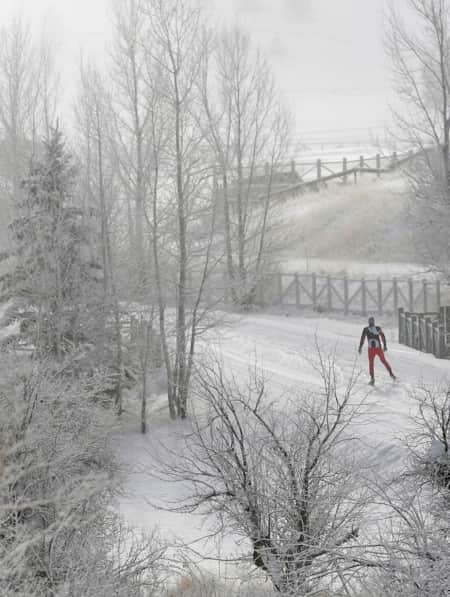
Utah cross country skiing for beginners starts with techniques. Soldier Hollow is the perfect location and hosted 2 events for the 2002 Winter Olympics.
-
Insider's Guide to Park City
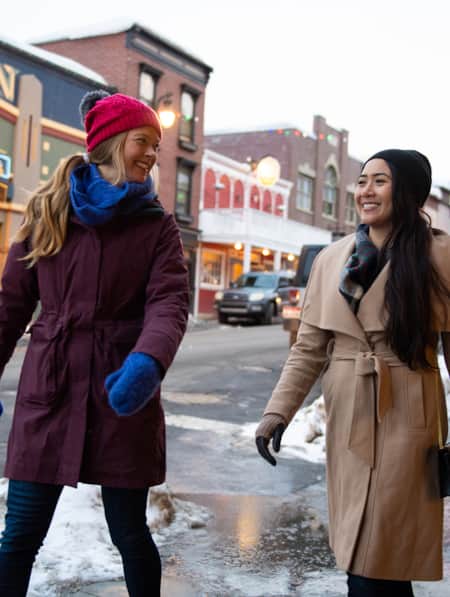
Kaylin Richardson, Olympic athlete, and a friend share their favorite Park City experiences to encourage you to add the city's culture-enriched valley, scenery, food, art and access to all-season adventure to your bucket list.
-
The Fly Girls of Park City
Kick off your ski trip by visiting Utah Olympic Park and reliving the fight for gender equality in the Olympic Winter Games with Park City’s very own women changemakers.
-
Uganda to Utah: Learning to Thrive
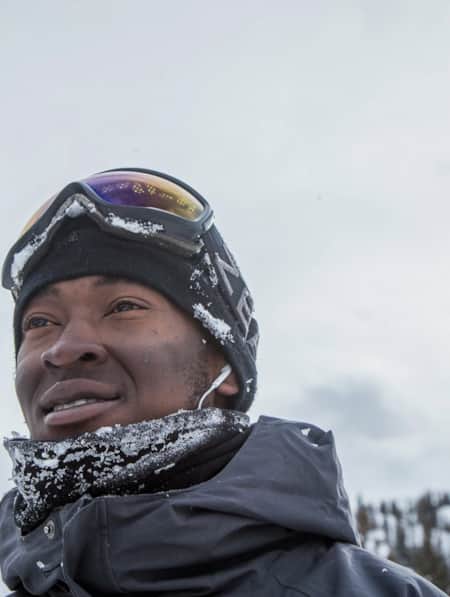
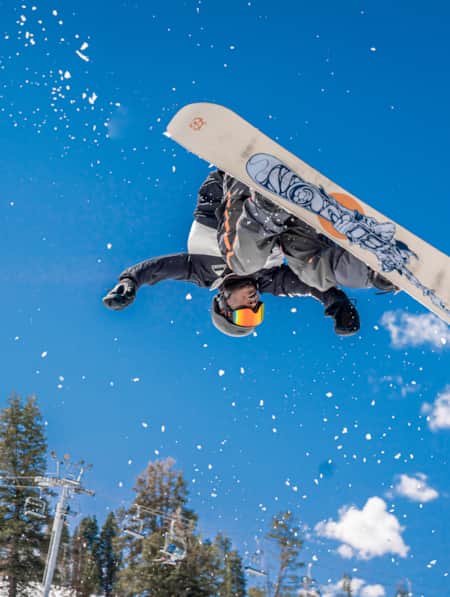
Professional snowboarder and Utah local Brolin Mawejje has faced his share of obstacles, but on the snow is where he finds his flow.

.jpg?w=450&h=597&mode=crop&quality=65)
Local Olympians & Olympic Foundations
Utah boasts a long list of Olympians. After 2002, Olympic venues transformed into training facilities for medalists and future podium winners, supported by committed community leaders and past Olympians. Ted Liggety, Shannon Bahrke, Picabo Street, Kaylin Richardson and many more help promote the Olympic legacy.
Boosting Utah’s thriving athletic community extends beyond our Olympic celebrities. The Intermountain Ski Hall of Fame recognizes individuals who influence and enrich the state's culture and athletic development. The Utah Olympic Legacy Foundation is a non-profit organization that maintains and operates Utah's three key venues from the 2002 Winter Games: the Utah Olympic Oval (Kearns), the Utah Olympic Park (Park City) and Soldier Hollow Nordic Center. The Utah Sports Hall of Fame Foundation (USHOFF) supports athletes from all sports, and a number of sport-specific organizations and clubs frequently train at Olympic venues.Discover More
-
Plan Your Utah Ski Trip
Utah's easy access to The Greatest Snow on Earth® allows for more time on the mountain and easier planning.
-
Ski Resorts
The quality and quantity of Utah's snow, ski resorts and winter experiences means you truly can have the ski or snowboard vacation of your dreams.
-
Where to Stay
Explore ski-in/ski-out lodges and downtown hotels. With so many places to stay for a Utah ski trip, it’s easy to find affordable or luxury options.