The Pando Tree
"First documented in 1976 and verified by genetic testing in 2008, Pando — whose name is Latin for "I spread" — is a singular wonder without equal in size, scale, or age."
Pando Tree FAQs
Are there fees or reservations required to visit?
No, visiting Pando is free and no reservations are required.
Where can I park?
Please park at the Old Spanish Trailhead. Do not park near gates, fences, or private entries, as unauthorized vehicles will be towed.
Can I camp at Pando?
Yes, you can camp at Doctor Creek Campground. Visit recreation.gov to reserve a site. Note that overnight parking and dispersed camping are strictly prohibited within the Fish Lake Basin.
How accessible is the area? Do I need 4WD?
No special vehicle is required. The area is easily accessible via standard passenger vehicles.
How do I get there?
Pando is located along Utah Highway 25 (Fishlake Scenic Byway), between the Rust Springs pull-off and the Lakeside Store. Watch for roadside signs showing the boundary of the tree along the side of the road. Once you arrive at the Old Spanish Trailhead Interpretive Site, follow the temporary signage for the trail.
How much time should I plan for my visit?
Plan for 1 to 1.5 hours. This allows enough time to enjoy the easy 1.4-mile (out-and-back) trail between the Old Spanish Trailhead and Coot Slough. The trail features educational signs about the Pando Tree’s unique biology and local conservation efforts.
When is the best time to visit?
Pando is a destination for all seasons, with trails typically open from May through October depending on snowpack. From late May to late June, millions of leaves flourish, followed by vibrant wildflower blooms and the peak growing season in July. By mid-September, the grove transforms into its famous golden fall splendor. Note that the campground closes in September, and gates become impassable once snow depth reaches four inches.
Can you hike Pando?
Yes, there is a 1.4-mile (out-and-back) trail that winds through the heart of the colony. Because Pando sits at a high elevation between 8,900 and 9,300 feet, visitors should pace themselves. For your safety, stay on the marked trail and wear sturdy, closed-toe shoes. Please note that the trail consists of multiple legs; keep a close watch for signage and refrain from off-trail hiking to protect Pando’s delicate root system. Drivers should beware of large wildlife present on the road during nighttime hours.
Does Pando have a visitor center?
The closest visitor center is the Richfield Visitor Center, located at 1075 North Main Street in Richfield, Utah. It is open April 1 through Memorial Day from 10 a.m. to 4 p.m., and from Memorial Day through Labor Day from 9 a.m. to 5 p.m. The center also hosts an exhibit about the Pando Tree.
What's Nearby
-

Fishlake National Forest
This is a paradise known for its beautiful aspen forests, sundry scenic drives, trails, elk hunting, and mackinaw and rainbow trout fishing. Recreational opportunities include scenic drives, mountain biking, snowmobiling, hiking, camping and OHV use.
-
Richfield
Known as the hub of Central Utah, Richfield is the largest city for more than a hundred miles and is an amenity-rich home base for exploring Central Utah’s sights and rugged outdoor recreation.
-
Thousand Lake Mountain
The funny thing about Thousand Lake Mountain is there aren't actually very many lakes there. But you will find alpine forests, craggy cliffs and panoramic view points.
-
Manti-La Sal National Forest
The Manti-La Sal National Forest consists of three blocks located in central, eastern and southeastern Utah. The area has an abundance of lakes and is great for fishing, hiking and more.
-
Torrey
Torrey's proximity to Capitol Reef National Park, the mountains of Fishlake and Dixie National Forests, Scenic Byway 12: Utah's All-American Road, sublime desert landscapes to trout-filled alpine lakes, make Torrey an outdoor lover's perfect hub for some of the most spectacular scenery and outdoor recreation opportunities in the state.
-
Fremont Indian State Park and Museum
Part way through the rugged Clear Creek Canyon, your team uncovers what turns out to the be largest known prehistoric Fremont Village site — more than 100 structures filled with countless artifacts. The extensive excavation from that highway discovery is preserved in nearby Fremont Indian State Park.




Fishing Fish Lake
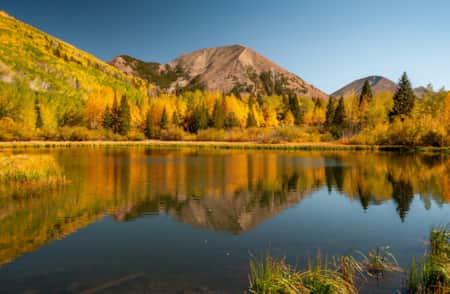
The largest natural mountain lake in Utah, Fish Lake sits at more than 8,800 feet of elevation, which makes for pleasant weather all summer long. Located near Richfield, Utah, the lake has everything you need for a relaxing summer getaway.