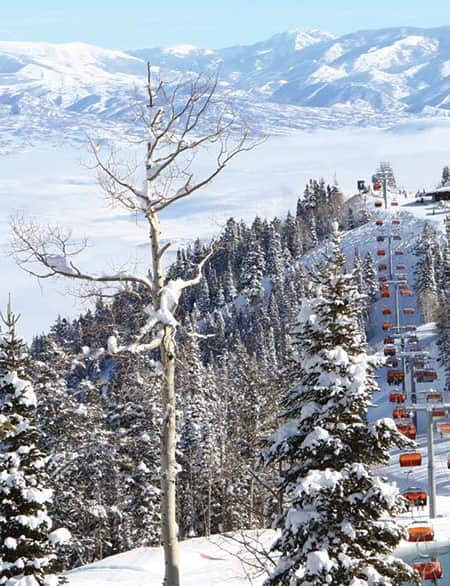
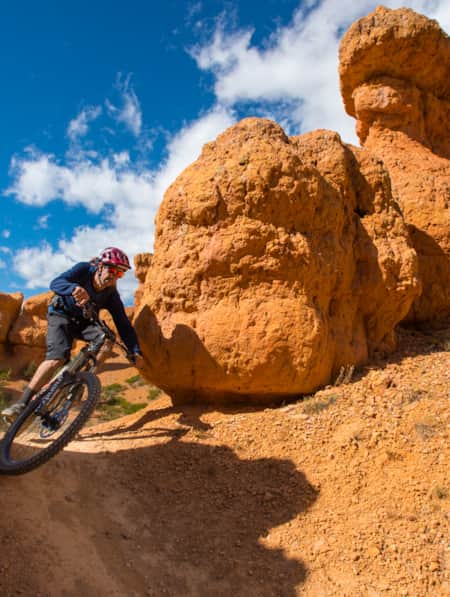
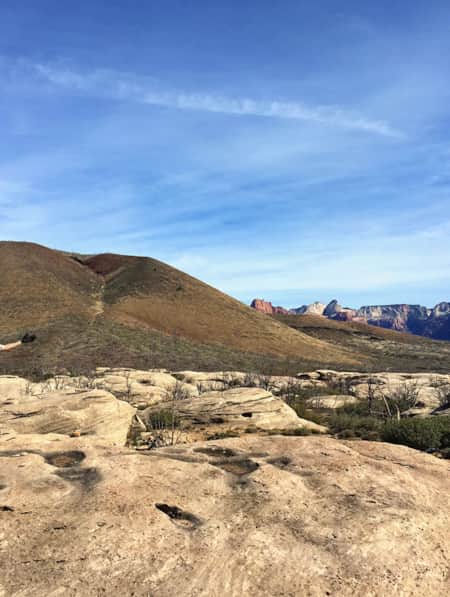
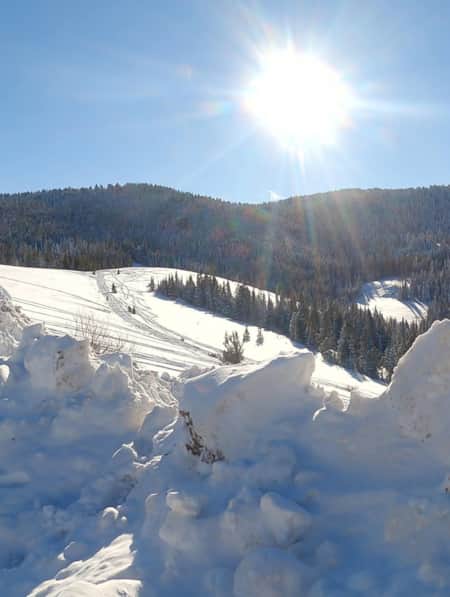
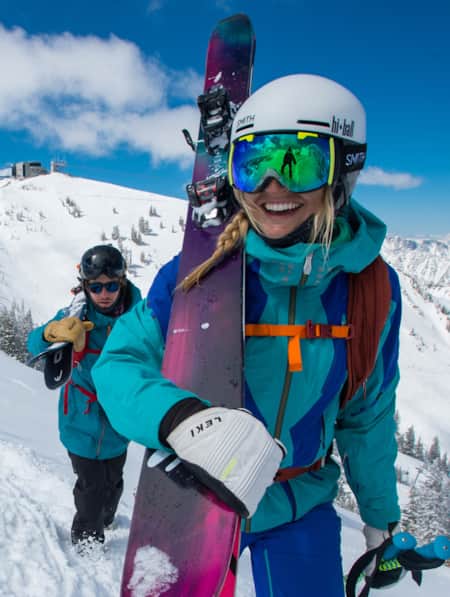
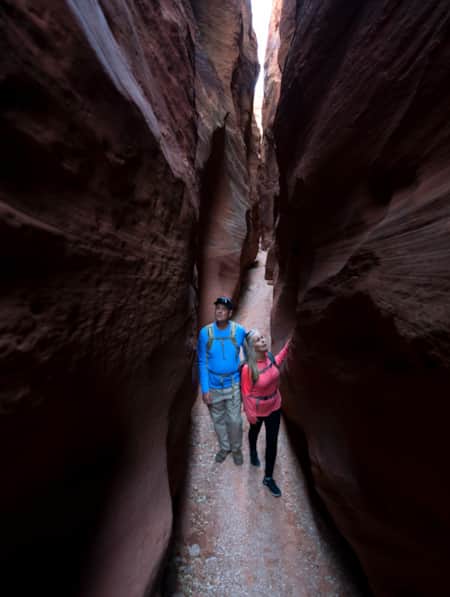
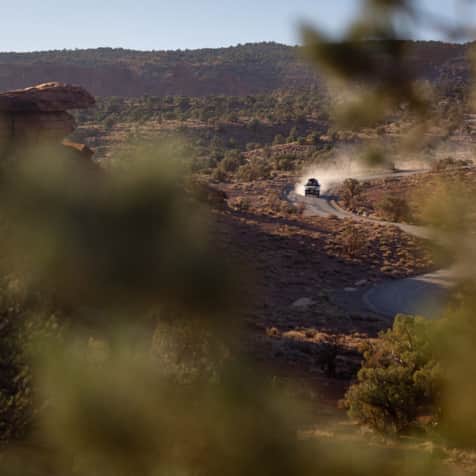
A winter view of Bryce Canyon.
Photo: Hage Photo
Explore the Region Thoughtfully
Bryce Canyon rewards those who slow down and stay a while. Find your base camp in nearby communities like Bryce Canyon City, Tropic, Panguitch or Escalante to experience the region's small towns, local restaurants and guided outfitters. Support the local businesses that make these gateway towns special. For supplies, the General Store near North Campground is open mid-April through late September. Otherwise, Ruby's Inn and the town of Panguitch have you covered year-round.
Bryce Travel Tips
Check the Weather
Bryce Canyon National Park is located at a relatively high elevation of 8,000 to 9,000 feet, meaning that it is much cooler than Utah’s other national parks, such as Zion, Canyonlands and Arches. There’s no “best” time to visit Bryce Canyon — summer daytime temperatures are comfortable, spring and fall will have cool nights, and winter is the chilliest time of year with the greatest chance of snow (although snow is a possibility at this elevation year-round). No matter what time of year you visit Bryce, it’s a good idea to pack extra layers.
See the Latest Alerts
Find updated information about road closures, trail conditions, fire restrictions and weather updates on the National Park Service website or Bryce Canyon’s official Instagram @brycecanyonnps_gov.
Hiking Safety in Bryce Canyon National Park
Bryce Canyon National Park is ideally suited to day hiking. The many hikes in Bryce Canyon that can be accessed off the park road open up a world of possibilities for getting out, stretching your legs and enjoying the best scenery Bryce has to offer. It’s important to be prepared any time you leave the car and head off on a hiking trail. A stop at the visitor center to discuss your hike plans with a park ranger is always a good idea.
Protect Yourself From the Elements
Before embarking on any hike in Bryce Canyon National Park, hikers should make sure they carry several essential items. First and foremost is water. Bryce Canyon is extremely hot and dry during the summer. Water sources below the rim are severely limited and must be treated before consumption. As a rule, always carry ample water to last the duration of the hike, and then some.
Carry sunscreen, eye protection and a hat to prevent overexposure to the sun’s rays. Since trails in Bryce Canyon traverse steep and rocky slopes, wear sturdy boots that provide ample support and protection. Always remember that Bryce Canyon is at a high elevation; lowland visitors should allow time to acclimate. Finally, do not overestimate your abilities or overexert yourself while on the trails.
Bring the Right Gear
It’s also important to have the proper supplies with you so you can enjoy your hike in comfort and be prepared for emergencies. You may find some — or all — of these items useful on your hike in Bryce Canyon National Park:
- Day pack
- Water and water bottles or a hydration system
- Food (high-energy snacks)
- First-aid kit
- Map, compass and GPS unit
- Sunscreen and sunglasses; wide-brimmed hat or ball cap
- Rain gear
- Warm coat, hat and gloves
- Backpacker’s trowel, toilet paper, and resealable plastic bags
- Flashlight or headlamp
- Pocketknife
- Camera and/or smartphone
- Guidebook

FAQs
How far is Bryce Canyon from other Utah national parks?
Bryce Canyon is centrally located between Utah’s western and eastern parks, making it a natural midpoint for a "Mighty 5" road trip. It is closest to Zion, located just 72 miles (about 1.5 hours) to the southwest, while Capitol Reef sits roughly 112 miles (about 2.5 hours) to the northeast via Scenic Byway 12. Arches and Canyonlands are the farthest away, requiring a drive of approximately 245 to 255 miles, which typically takes 4 to 5 hours.
What is the drive time from Bryce Canyon to Zion?
The drive from Bryce Canyon to Zion National Park takes about 1.5 to 2 hours. The route follows Scenic Byway 12 to US-89 South, then enters Zion’s east entrance via UT-9, passing through the famous Zion-Mount Carmel Tunnel.
What is the drive time from Bryce Canyon to Arches and Canyonlands?
The drive from Bryce Canyon to Arches National Park in Moab takes approximately 4.5 to 5 hours via I-70 or scenic UT-24 E. Canyonlands is an additional 30-40 minutes from Moab. The trip to both parks is approximately the same time, though scenic routes will take longer.
What is the drive time from Bryce Canyon to Capitol Reef?
The drive from Bryce Canyon to Capitol Reef National Park takes abot 2.5 to 3 hours via Scenic Byway 12. This scenic drive takes you on a beautiful route that connects Bryce Canyon to Torrey.
Visit With Respect
Experiencing the otherworldly beauty of Bryce Canyon should inspire you to want to preserve and protect this remarkable landscape. Practice Leave No Trace principles to ensure that all parts of the park are left as nature intended. Leave places as you found them, respect wildlife, plant life and geology, dispose of waste properly and be considerate of others.
- Pack it in, pack it out. Leave no trash or human waste behind. Bryce Canyon requires visitors to pack out solid human waste, toilet paper and hygiene items when camping in the backcountry.
- Leave rocks, plants, animals and natural objects as you found them. Never leave marks or scratches on the iconic hoodoos or other surfaces and admire artifacts and natural formations from a distance without touching or disturbing. Tree carvings, rock etchings and spray painting are forms of vandalism and graffiti that are illegal on public lands.
- Stay on existing trails and do not travel off course or "bust the crust." Bryce Canyon's fragile biological soil crust, known as cryptobiotic soil, is essential to the ecosystem and can take decades to recover from a single footstep. Camp only in designated areas on durable surfaces and follow all campfire rules and regulations.
- Drones are prohibited by law throughout Bryce Canyon National Park.
- Pets are restricted to paved roads, parking areas and a small number of designated trails. Bryce Canyon also experiences extreme weather, so leaving your pets at home is recommended.
- Be courteous to other visitors by minimizing noise, yielding to others on the narrow canyon trails and respecting all trail and transportation signage.
- Show consideration for other visitors and be a mindful photographer. Avoid blocking trails or viewpoints for extended periods, especially at the park's famous sunrise and sunset overlooks.

The Complete Bryce Canyon Trip
Planning a trip to Bryce Canyon National Park? Explore these local-favorite destinations in the Bryce Canyon region to make the most of your trip!
Highlights
- Bryce Canyon National Park
- All-American Road: Scenic Byway 12
- Guided Hikes in Bryce Canyon
- Stargazing Bryce Canyon
- Hoodoo Filled Red Rock Desert
Read the Stories
-

Winter in the Bryce Canyon Area: Hiking, Cross-Country Skiing and Snowmobiling
Learn more about why Bryce Canyon and the surrounding areas are the perfect place for winter hiking, cross-country skiing and snowmobiling.
-
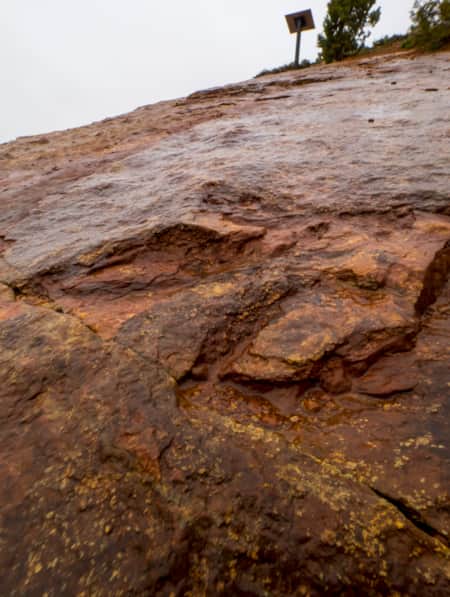
Following the Dinosaur Tracks of Red Fleet
Explore Red Fleet State Park's cleverly built trail that crosses sandy washes, ribs of exposed stone and a dinosaur trackway.
-
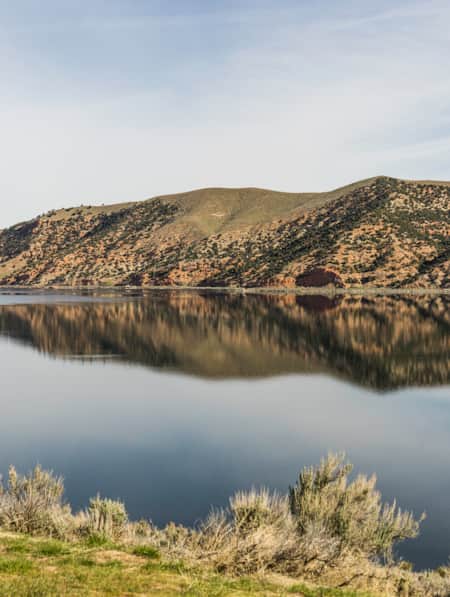
Get to Know Echo State Park
Situated at 5,560 feet above sea level, just north of Park City, lies Echo State Park. Watersports are king here, and whether you kayak, paddleboard, or boat, it’s a perfect place to get out on the water.
-
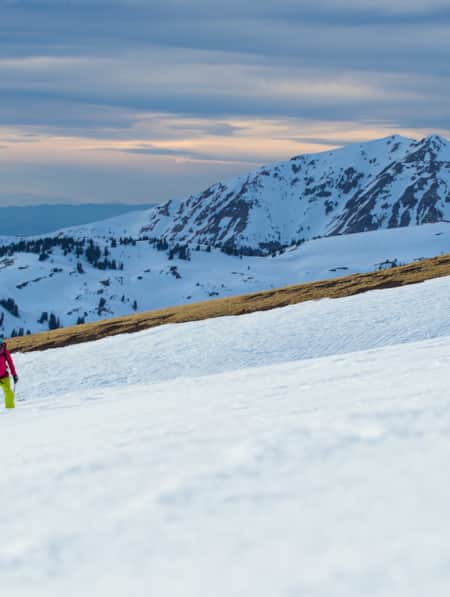
Explore the Tushars on Snowshoe
Ready to experience snowshoeing in Utah? Eagle Point is a Utah favorite location. Check out this snowshoe excursion then plan yours today for fun and adventure.
-
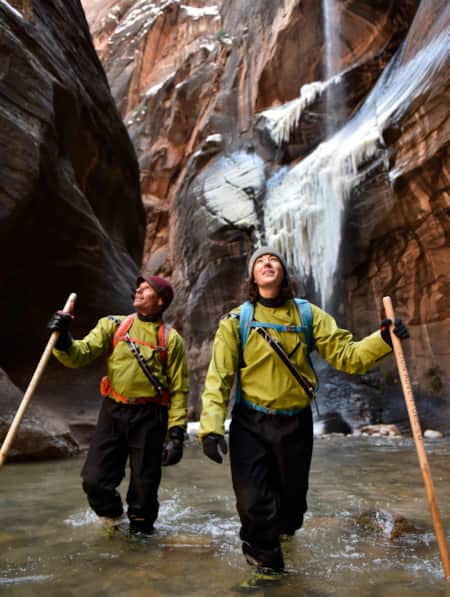
Ice and rock, snow and splendor: Winter in Southern Utah
Come along on a five-day expedition to see Southern Utah’s wintry face, explore national parks, ski its mountains and find ways to play in the snow.
-
Escalante River Canyon Trail
Located in the Grand Staircase-Escalante National Monument, the Escalante River Canyon river trail winds and knots its way east and south.
-
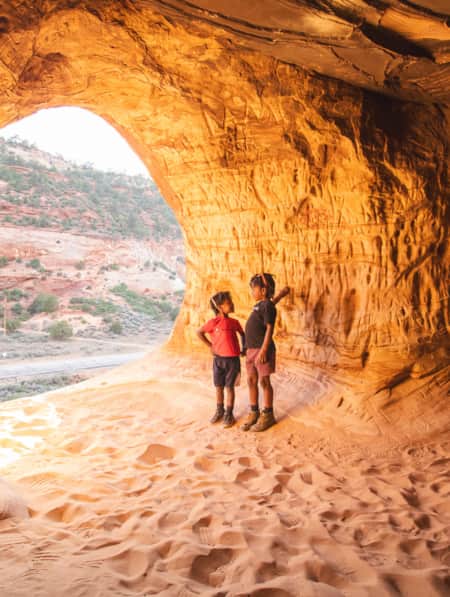
Family Adventure in Bryce Canyon Country
A family-friendly itinerary from Bryce Canyon National Park to Kanab, with hikes for kids, local eats and unbeatable sunset locations.
-
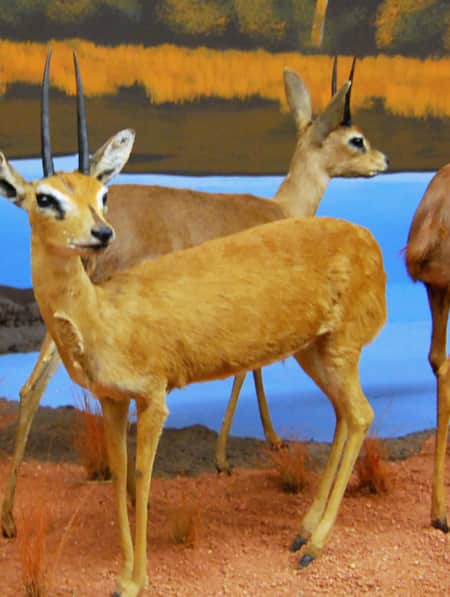
Bryce Wildlife Adventure Museum
Explore wildlife near Bryce Canyon at the Bryce Wildlife Adventure Museum.
-
Tropic, Utah: Bryce Canyon Coffee Company and The Stone Hearth Grille
Get an introduction to the best-known restaurants in Tropic, Utah — The Stone Hearth Grille and Bryce Canyon Coffee Company. Prepare your appetite!
-
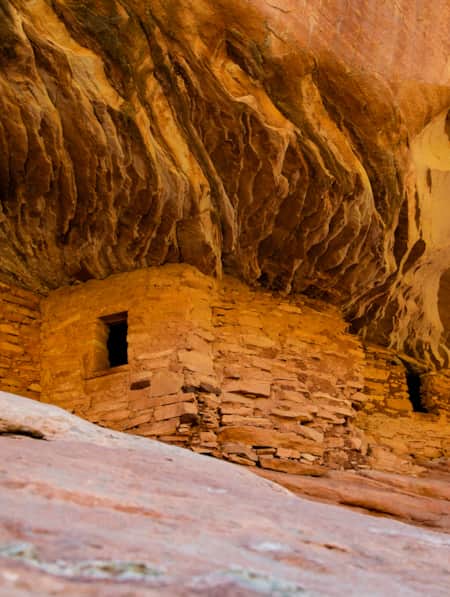
Exploring Mule Canyon: House on Fire and Cave Tower
Driving the up the dusty, terracotta-colored road toward Mule Canyon in Cedar Mesa, you get a sense that this is a special place, though you might not be able to put a finger on why.
-
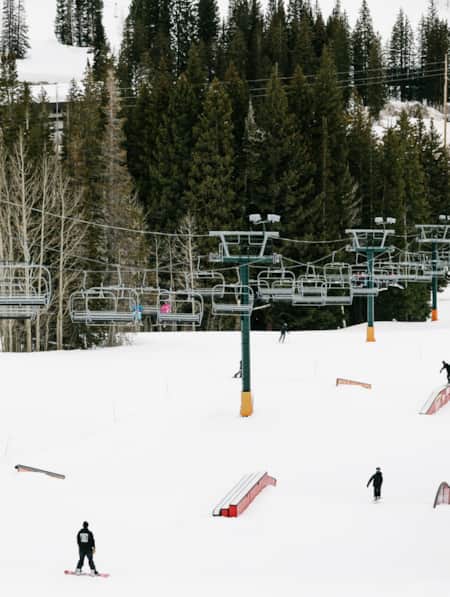
Everything in its Right Place
Bring your snowboard on your Brighton Ski Resort trip. Visit the six terrain parks – with new designs each week – to add some exhilaration to your ski vacation.
-
Utah’s Factory-to-Slope Culture
Utah’s gear scene benefits from being able to use its backyard as a testing ground, making the complete ski and snowboard cycle uniquely Utah
-
Dog-friendly Utah: Northern
Explore the top dog-friendly places to hike and explore in the Northern Utah, including state parks, national forests and a bird refuge.
-
See the Fall Leaves Near Utah's National Parks
Sure, any of Utah’s Mighty 5 national parks are spectacular year round — covered in snow, peppered with spring wildflowers, and baked in sunshine. But find them exponentially special when the changing fall leaves are in juxtaposition to the immaculate red rock cliffs.
-
Winter Road Trip: Where to Stay, Hike and Eat When Traveling from Capitol Reef to Bryce Canyon
Need winter break ideas? Take a road trip from Capitol Reef to Bryce Canyon and enjoy the best of Utah landscapes during its quiet season.
-
Seven Must-Ride Mountain Biking Trails in Utah
To help you plan a Utah mountain biking trip, we've assembled a list of seven of Utah’s best mountain biking trails followed by a roundup of Utah’s best fat-tire destinations.
-
Ridin' Greater Zion
Southeastern Utah might be the state’s hidden gem of mountain biking. Learn about the top mountain biking trails in this area and plan a getaway you’ll never forget.
-
11 Family-Friendly Activities Near SLC
From roller coasters to ski slopes, discover 11 fun family activities in and around Salt Lake City.
-
Beyond the Lake
From snowmobiling to skiing, snowshoeing to sledding and fishing, Bear Lake in the winter is everything you’ll want from your next winter vacation.
-
8 Elevated Ski Experiences That are Uniquely Utah
If you dream of the possibility of hitting six resorts in one day or carving your own lines from snow-covered summits served by helicopters, then this listicle is made for you.
-
Eating Up Mount Timpanogos
Learn about the Utah farms near Mt. Timpanogos that produce luscious lettuce and artisan cheese. Make your own plans to “eat up” Mt. Timpanogos!
-
15 Must-Do Adventures in Kanab
Looking for fun things to do in Kanab? Check out our list of the 15 must-do adventures in Kanab and start planning your visit today.
-
Exploring Utah's Little Sahara
Little Sahara Recreation Area is an unforgettable destination for sand dunes in Utah and ATV, camping, hiking, and sand-boarding enthusiasts.
-
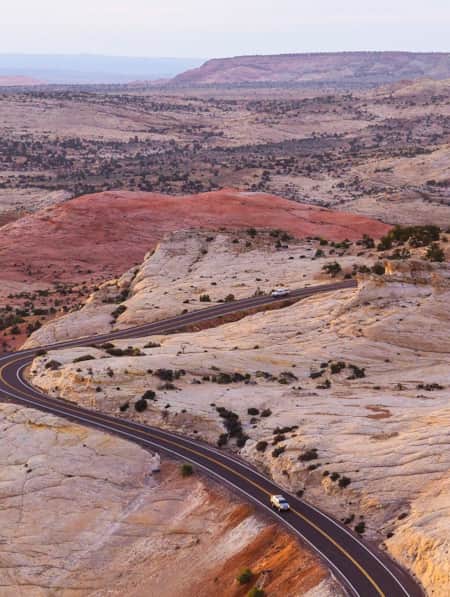
The All-American Road: Scenic Byway 12
This is 122.863 miles (to be exact) of pure driving bliss. Welcome to Utah’s Scenic Byway 12, a designated All-American Road.
-
Dog-Friendly Utah: The Road to Mighty
Want to bring your furry friend on your next vacation? Utah is home to several great dog-friendly national parks and other fun destinations. Check it out and plan your trip!